
Hawaii Local-Style Meat Jun (Oahu Plate Lunch Recipe)
Disclosure: Some of the links in this post are affiliate links. This means if you click on the link and purchase an item, Third Culture Taste will earn a commission at no extra cost to you. See terms and conditions for details.
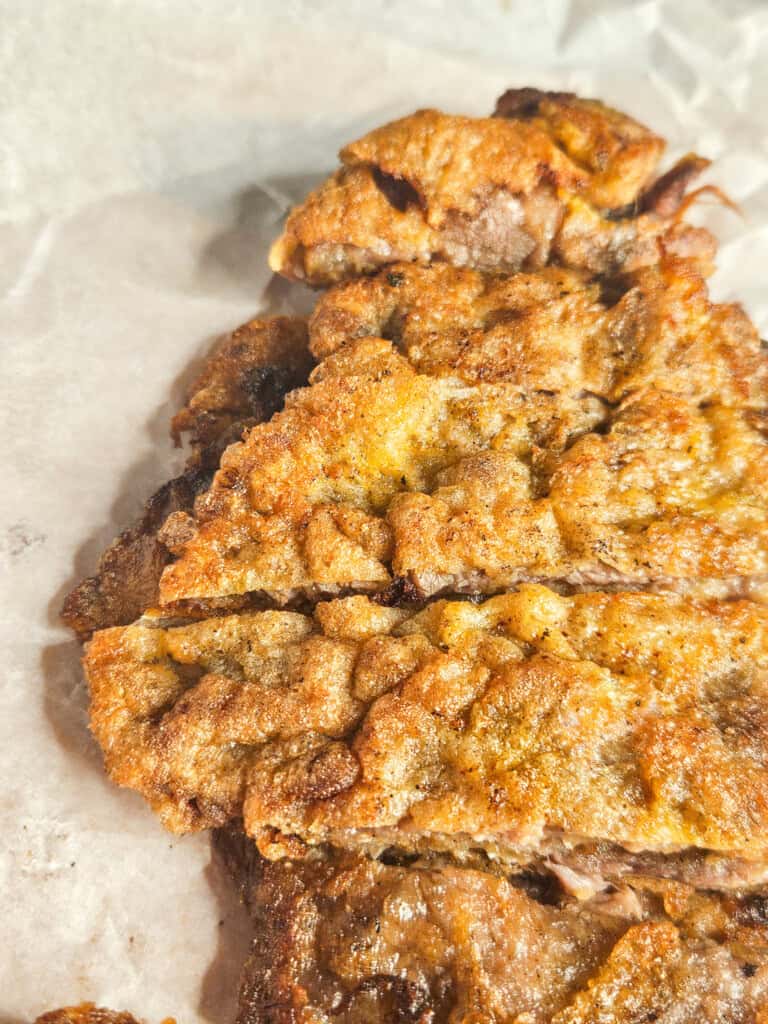
I made this meat jun recipe mostly because of my nostalgia for Hawaii-style local plate lunches. My elementary school was across the street from the famous Soon's Kal Bi Drive In and the meat jun plate was a life-changing experience for me. The meat was marinated perfectly and the batter was crispy. An unforgettable savory, crispy on the outside, soft on the inside dish!
Jump to:
- Why This Meat Jun Recipe Is Unique
- What Makes Meat Jun Different?
- Where To Get The Best Meat Jun In Hawaii
- Main Parts Of A Meat Jun
- The Starch Test: Which Dredge Makes the Best Meat Jun Crust?
- Which Starch or Flour Should I Use For Meat Jun?
- Choosing The Right Soy Sauce For Meat Jun
- How to Make Meat Jun Preview Steps
- Tips For Making Meat Jun
- FAQ
- Authentic Local-Style Meat Jun from Hawaii
- Have You Tried This Recipe?
Why This Meat Jun Recipe Is Unique
This recipe is born out of experimenting with starches in the kitchen. And while I give a recommendation of which starch to use in this post, my recipe doesn't require you to choose one starch over the other. Just like how everyone in Oahu has their favorite meat jun restaurant, I'm encouraging you to choose the starch based on the findings I have here and beyond!
What Makes Meat Jun Different?
Okay, this one is for the non-Hawaii people. The words meat jeon (Korean: yukjeon or 육전) and meat jun are a "same-same, but different" situation. Meat jun comes from Hawaii, has major Korean influences, and is considered a main dish by many local residents past, present, and future like myself. Meat jeon is a beef pancake dish made in Korea sometimes served as a main dish, but often served as a side dish.
The same-same part is that both dishes are coated in starch and then dipped in egg before pan frying. The main difference is that Hawaii's meat jun is soaked in this glorious, sweet, salty, garlicky marinade. Call it a type of bulgogi sauce, if you will.
Korea can also change the type of meat used between beef and pork for meat jeon. But in Hawaii, people make meat jun using strictly beef.
Where To Get The Best Meat Jun In Hawaii
Listen, not everyone cooks and that's totally okay! In fact, I recommend that you visit Oahu to taste your first authentic meat jun plate. A gorgeous destination with awesome food is always a great experience. In no particular order, these are three of the most popular places that serve well-known meat jun on the island of Oahu, each with their own spin to the dish:
- Soon's Kal-Bi Drive-In: The meat jun here has a very thin and crispy crust, served with a vinegary kimchee. Since this is a childhood fave of mine, I recommend you get an extra side of mandu (dumplings) too!
- Young's Kal Bee: Where Soon's crust is thin and crispy, Young's egg coating is more thorough and fluffy. The marinade is moreish and some people argue you don't need the dipping sauce here!
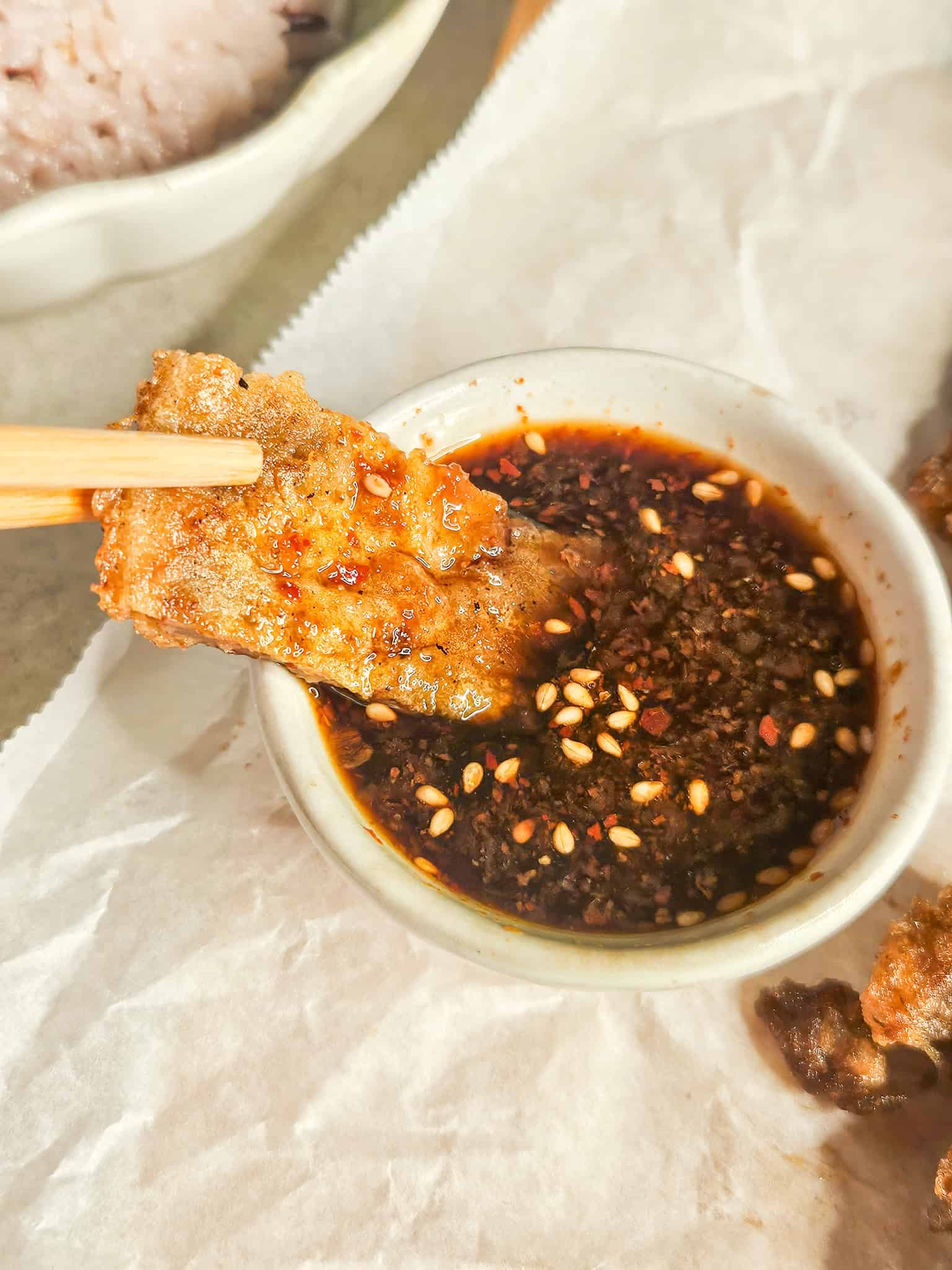
- Kimchee Restaurant 7: Kimchee 7 distinguishes itself from the other two because its meat jun dipping sauce is the most popular out of the three restaurants. The sauce is the perfect addictive blend of salty, sweet, and tangy, with a bit of kick from added pepper elements.
Main Parts Of A Meat Jun
As far as I'm concerned, there are three main components of meat jun: the beef cut, the marinade, and the coating/egg dip.
Although it's getting a little bit easier to find pre-packaged thinly sliced beef, it can still be hard to find the right cut and style. What has worked well for me are the thin beef slices from Costco and precut slices for Mexican-style carne asada. These slices are about ⅛ of an inch thick. Some beef labeled as "shaved beef" sometimes ends up being too thin, but some labeled "shabu-shabu" have the right thickness. Basically, you don't want your beef slices to be so thin that they rip at the weight of the marinade.
Next is that marinade that can make or break the meat jun. The perfect flavor balance is light, pronounced, garlicky, salty, and a tad sweet. Since the beef is thin, marinating shouldn't take a long time. The minimum I've done is thirty minutes and the maximum I've taken my batches up to is one hour.
The most debated and fun topic to discuss is the meat jun coating. Different restaurants use different ingredients and people in Hawaii have major preferences on which meat jun is the best in the island. My friend and I, who both grew up in Oahu, had a taste test of different coatings to see which ones resembled the most popular places. Opinions were mixed, as always, as to what constitutes a good meat jun. But this is what it's about!
The Starch Test: Which Dredge Makes the Best Meat Jun Crust?
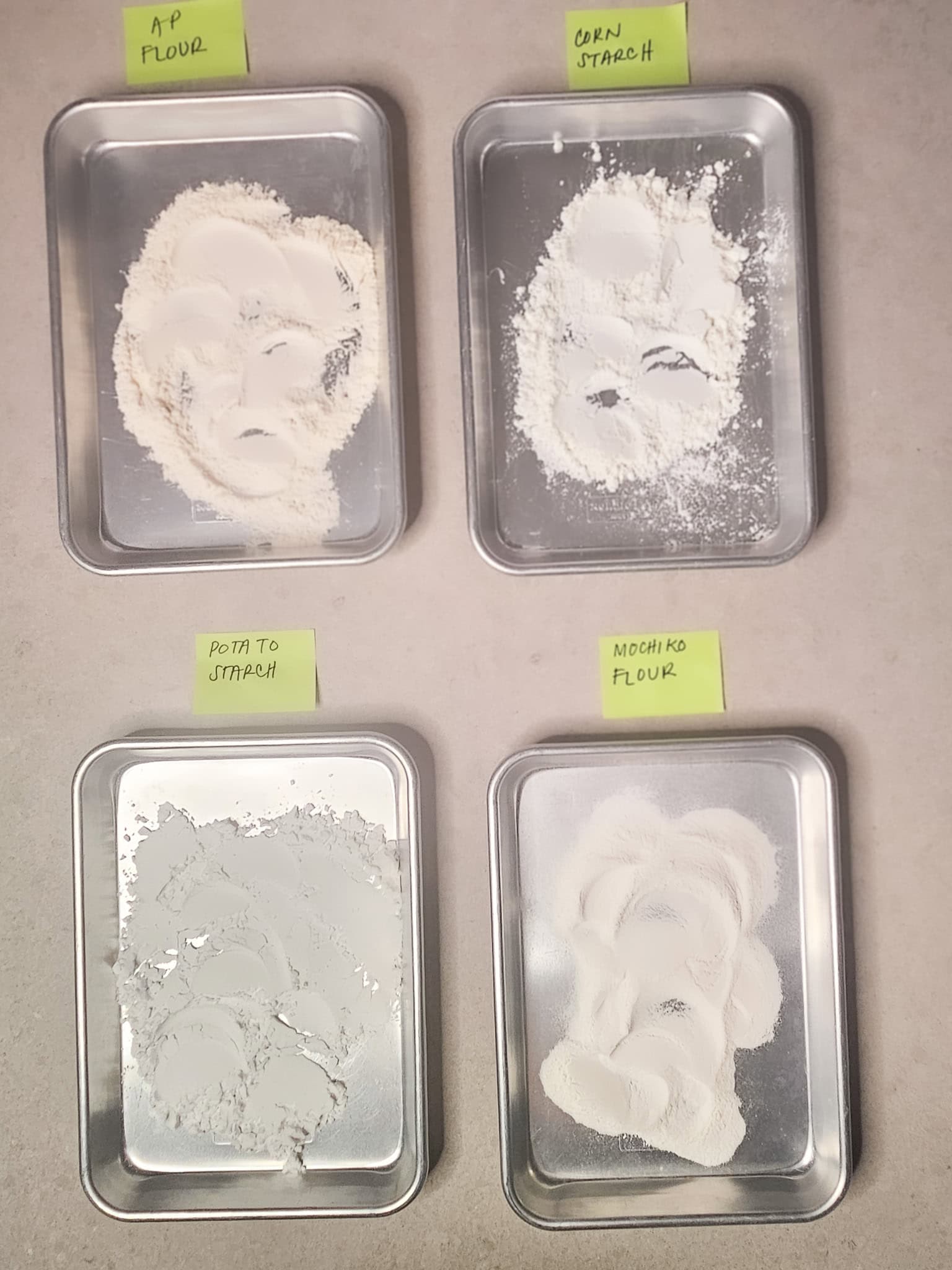
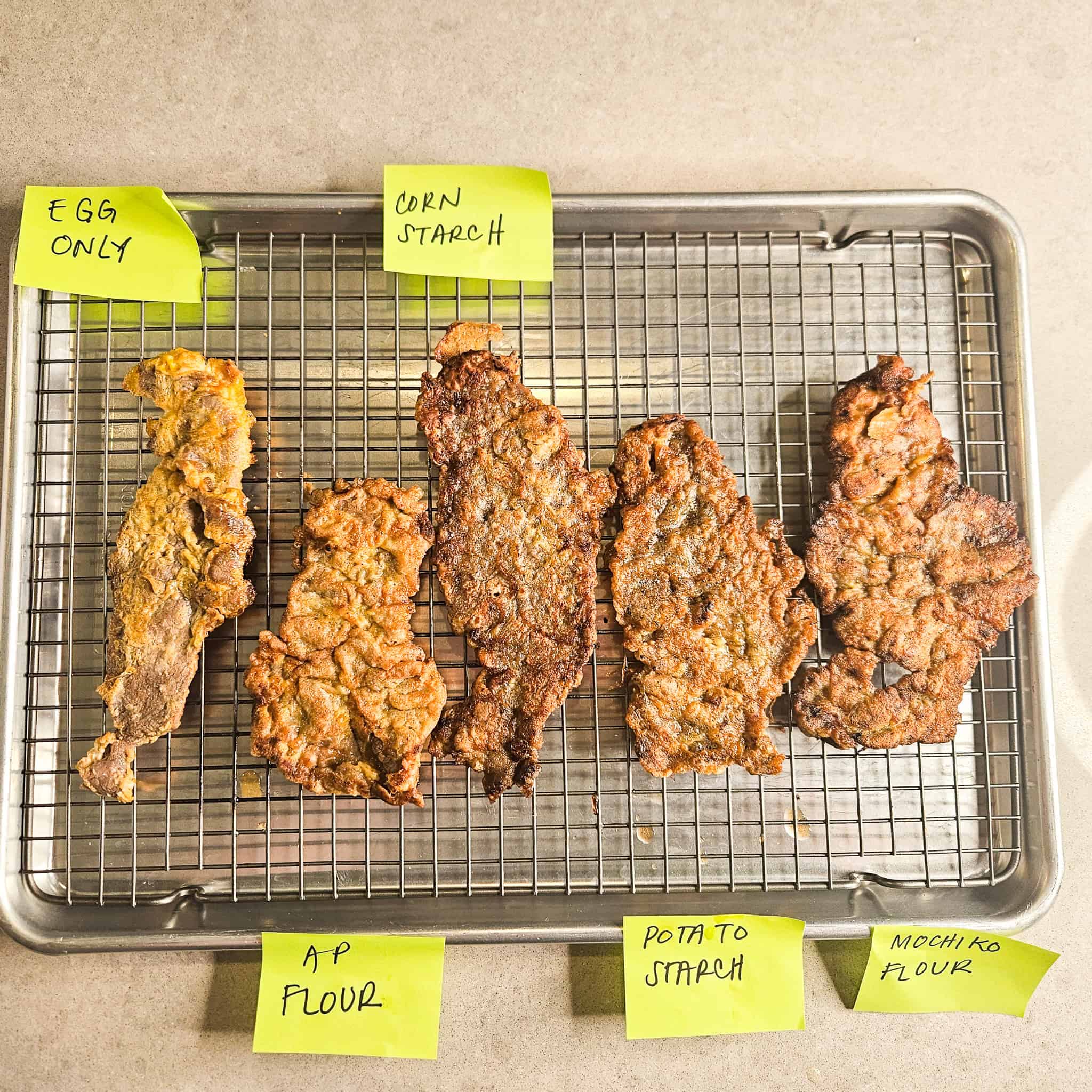
The starch for meat jun varies across the island, and I was curious about how different types affected the final product. I tested making meat jun with four types of starches: all-purpose flour, cornstarch, potato starch, and mochiko flour (the Koda Farms brand).
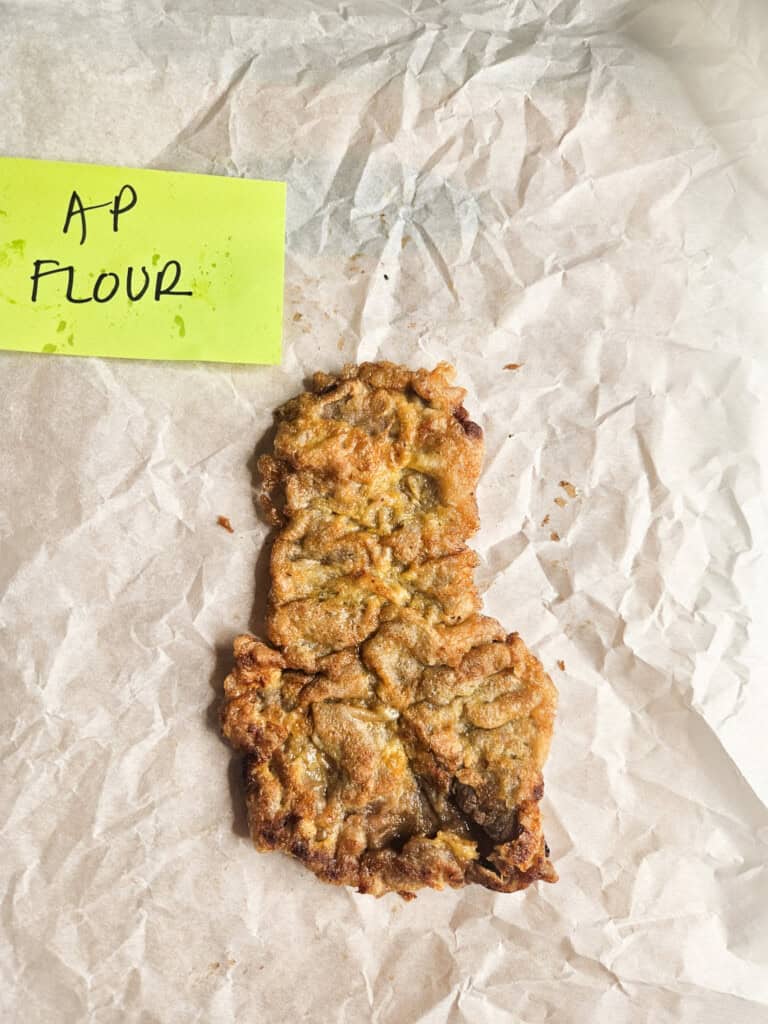
All-Purpose Flour: This one is what my friend told me reminds him of Young's and Kimchee 7. The coating was even and made that bubbly, soft crust that is so very nostalgic. It cooked easily too. When the meat jun got cold, the coating got a little too doughy.
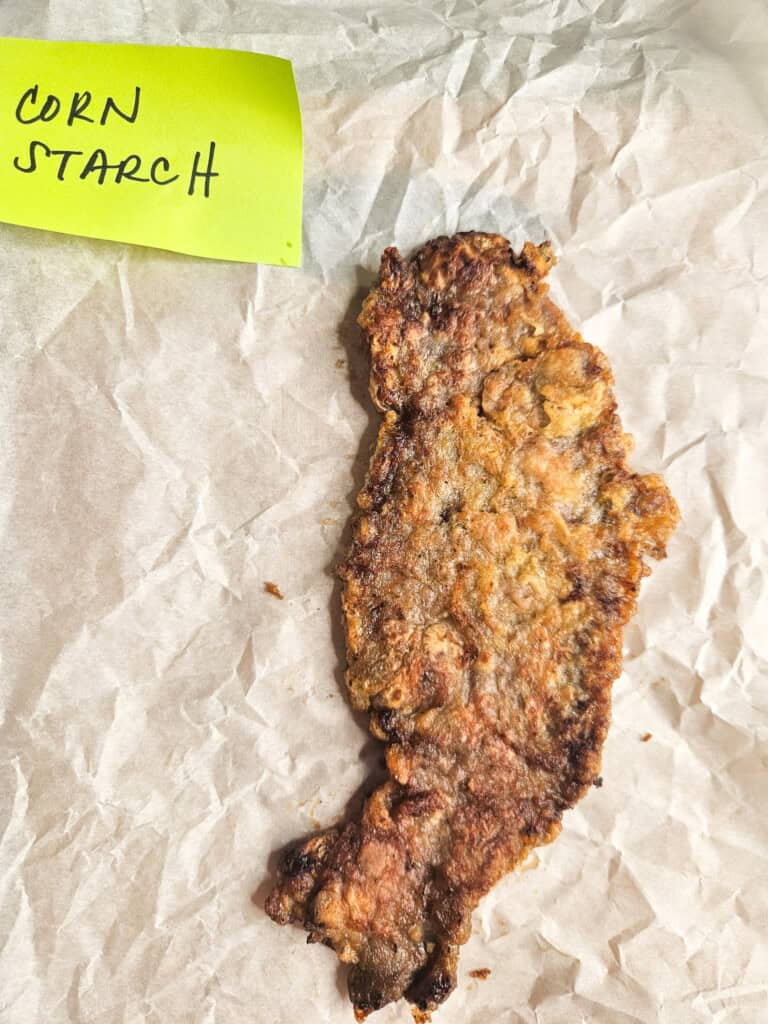
Cornstarch: Very reminiscent of Soon's with that thin, crunchy crust. The starch didn't hold onto the meat well and I had to dredge it a few times flipping back and forth before the egg dip. It starts off really crispy when cooked and completely deflates as it cools.
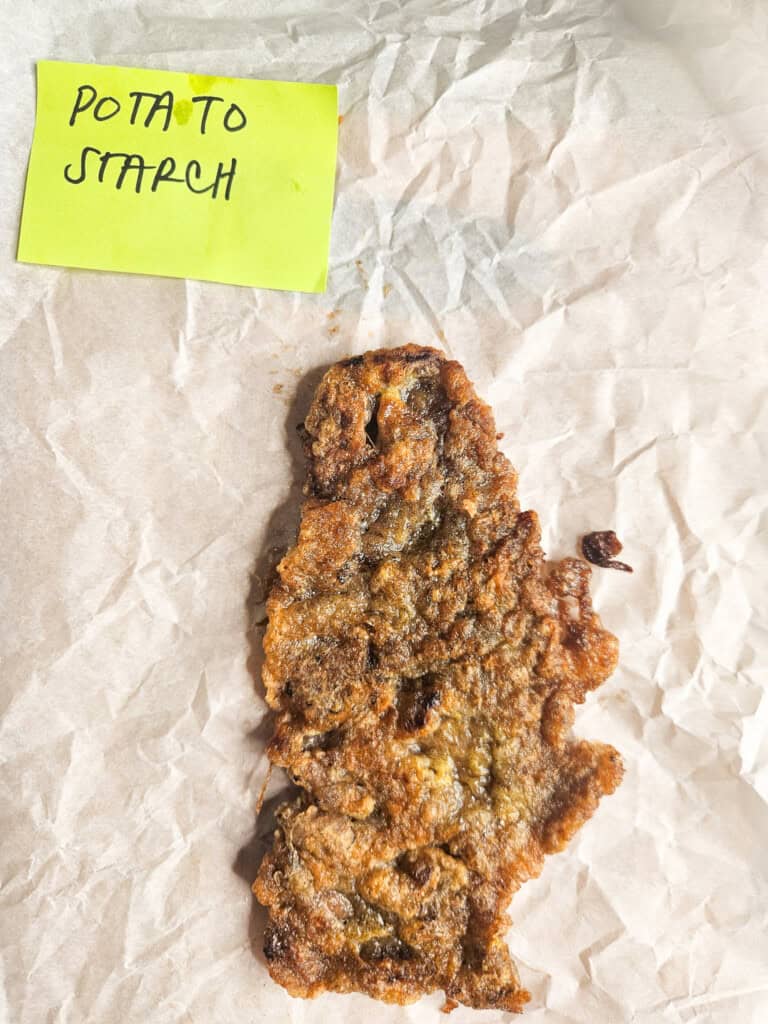
Potato Starch: It was the hardest to coat with; the starch just doesn't want to stick on. But once it's on there, it's a very solid feel in the pan and didn't easily peel off like the other starches, which made it the best to handle while cooking. It gave a very light, airy, crunchy crust.
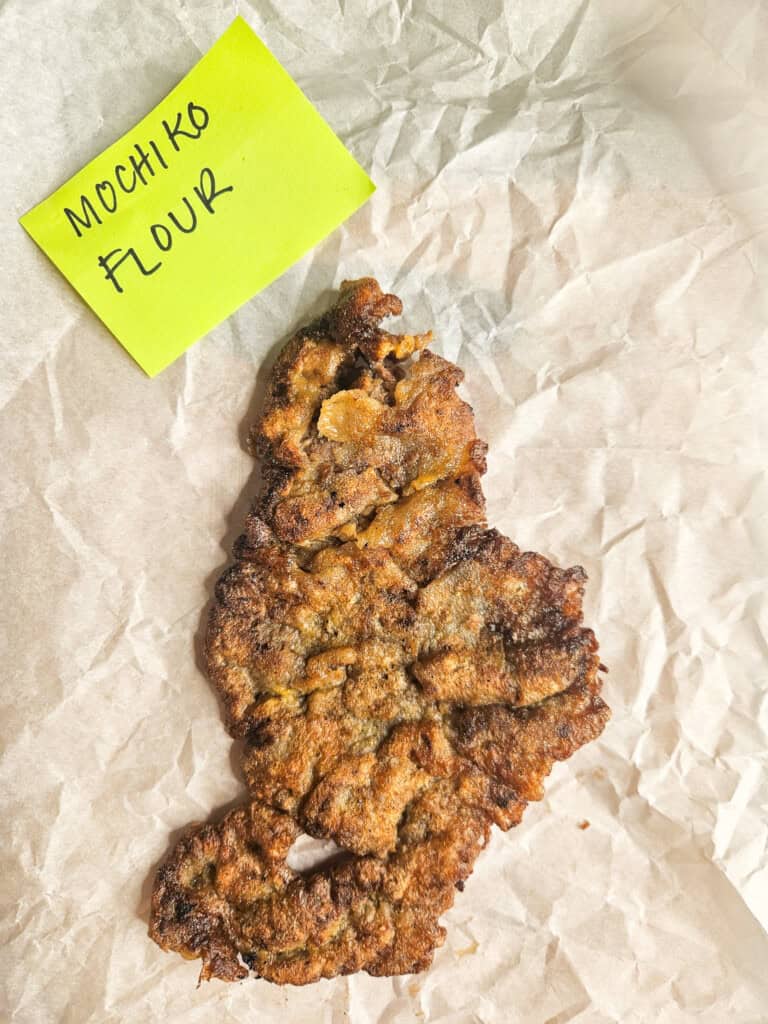
Mochiko Flour: On the other side of ease-of-dredge from potato starch is mochiko flour. It was very easy to fully cover the slice of beef with it, but I had to do extra back and forth flips since the layer of dredge started off very thin. It delivered a very crispy layer, but easily flaked off while cooking.
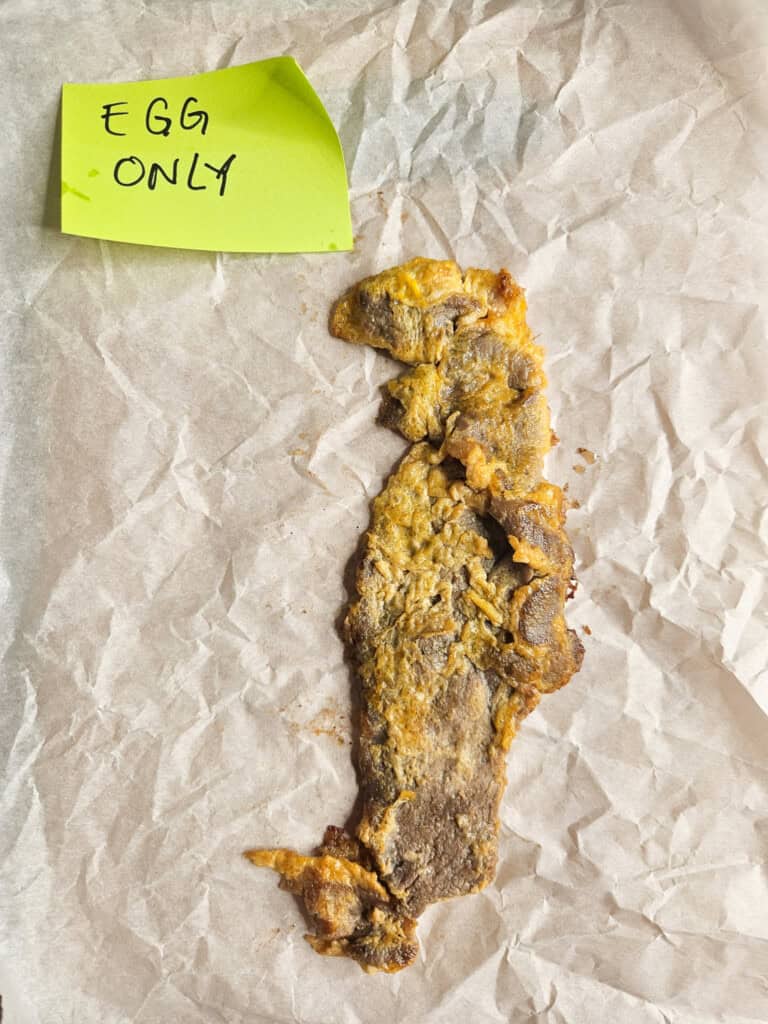
Egg Only: I also cooked a slice of beef with just egg as they do with jeon in Korea. It ended up being about as expected, which was soft and basically like an omelette. It was also not a real 'full' coating, which made sense since there was no starch to hold onto the egg.
Plot Twist: The biggest difference, in addition to texture, was the flavor of the marinade. The type of starch completely controls the marinade volume. From a tiny whisper to "I'm-standing-a-little-too-close-to-the-speaker," the order is potato starch, all-purpose flour, cornstarch, and mochiko flour.
Which Starch or Flour Should I Use For Meat Jun?
You have some choices here depending on which one sounds good to you. You can even mix them if you can't decide! I mixed all-purpose flour and cornstarch together, plus another mix with potato starch and mochiko flour. My recommendation is to try at least two types depending on what taste and texture profile you like. For an in-your-face flavor bomb, go with mochiko flour. For an authentic take, go for all-purpose flour. Then combine both!
Choosing The Right Soy Sauce For Meat Jun
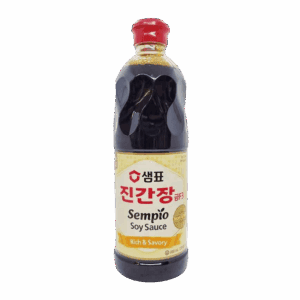
Ahhh, the soy sauce decisions. There are just so many varieties, and those unfamiliar with Asian food may think they're all similar. I really could write an entire post about soy sauce. But to make it easy for this recipe, the best one that works is Korean soy sauce since meat jun is influenced by Korean cuisine. Korea has standardized types of soy sauces based on use, like for soups or marinades or dipping. For my first few recipes, I used Sempio's 'jin ganjang' style for both the marinade and the dipping sauce.
I also made a batch using All-Purpose Kikkoman when I ran out of Sempio, and it worked just as well.
How to Make Meat Jun Preview Steps
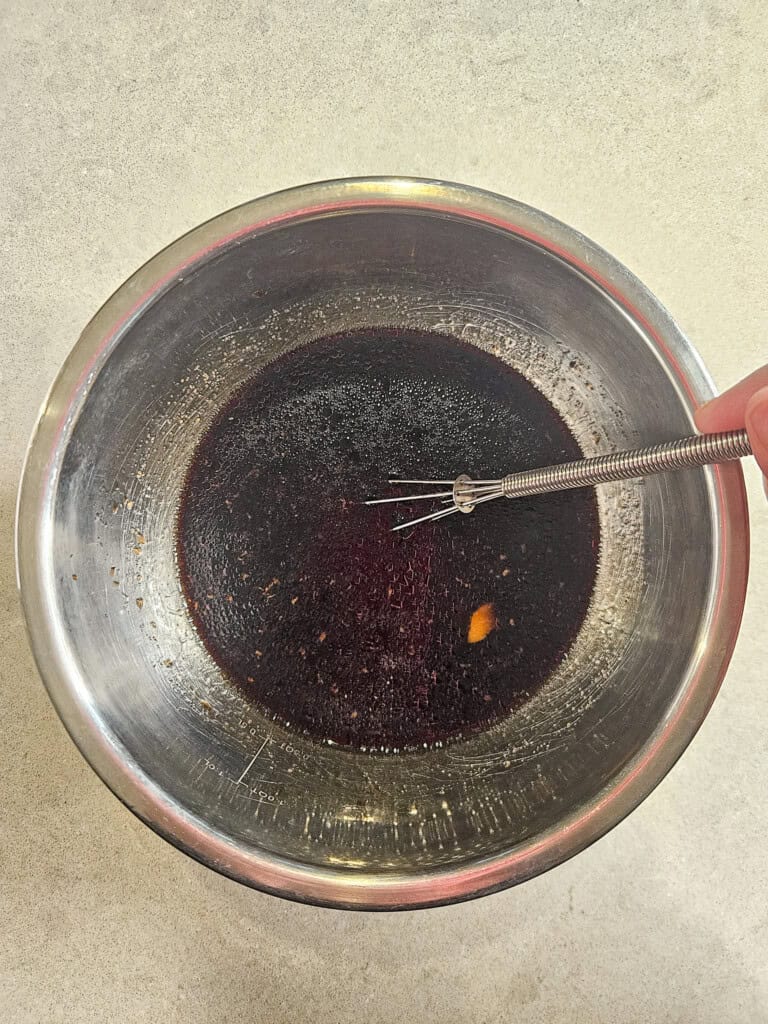
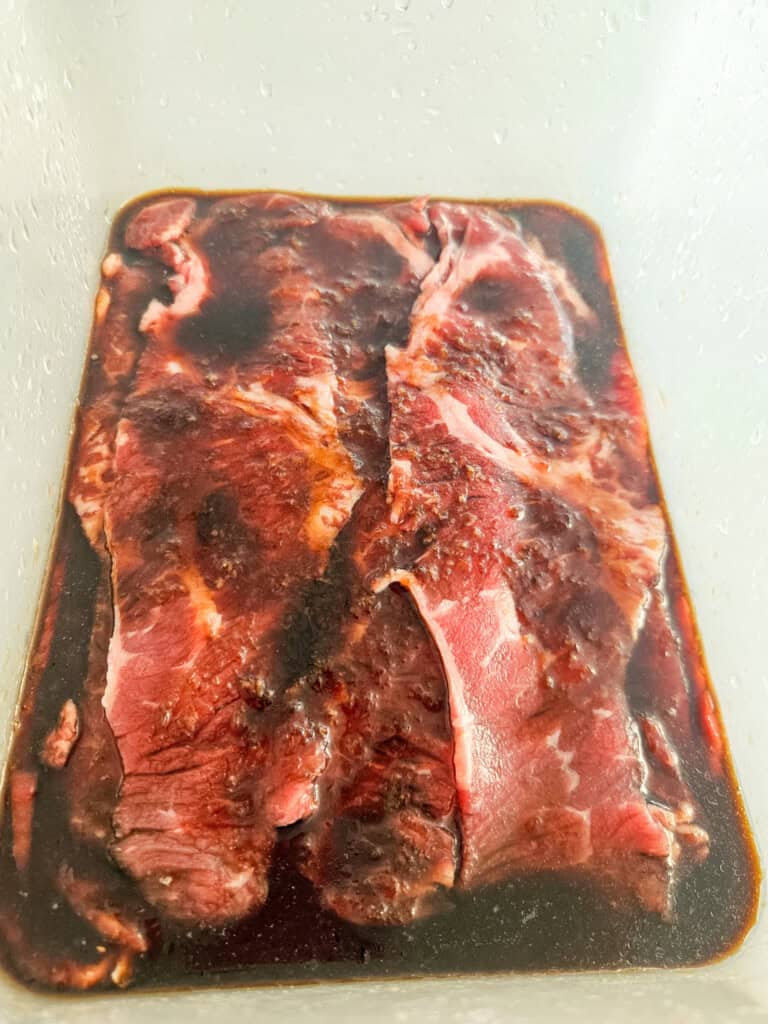
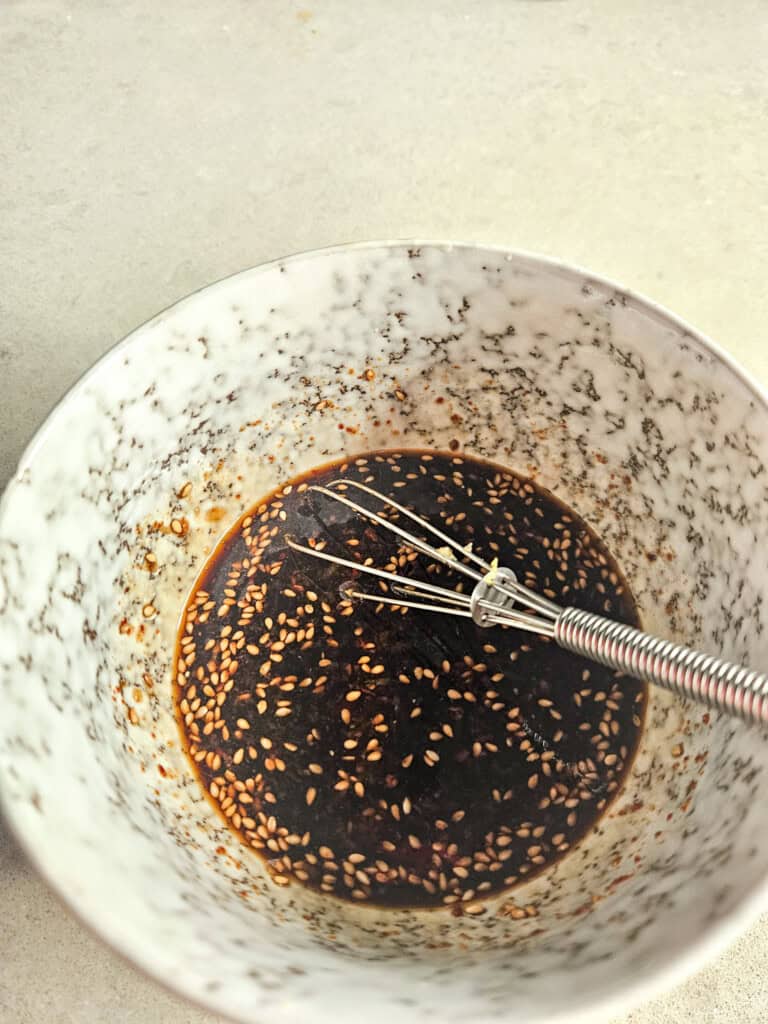
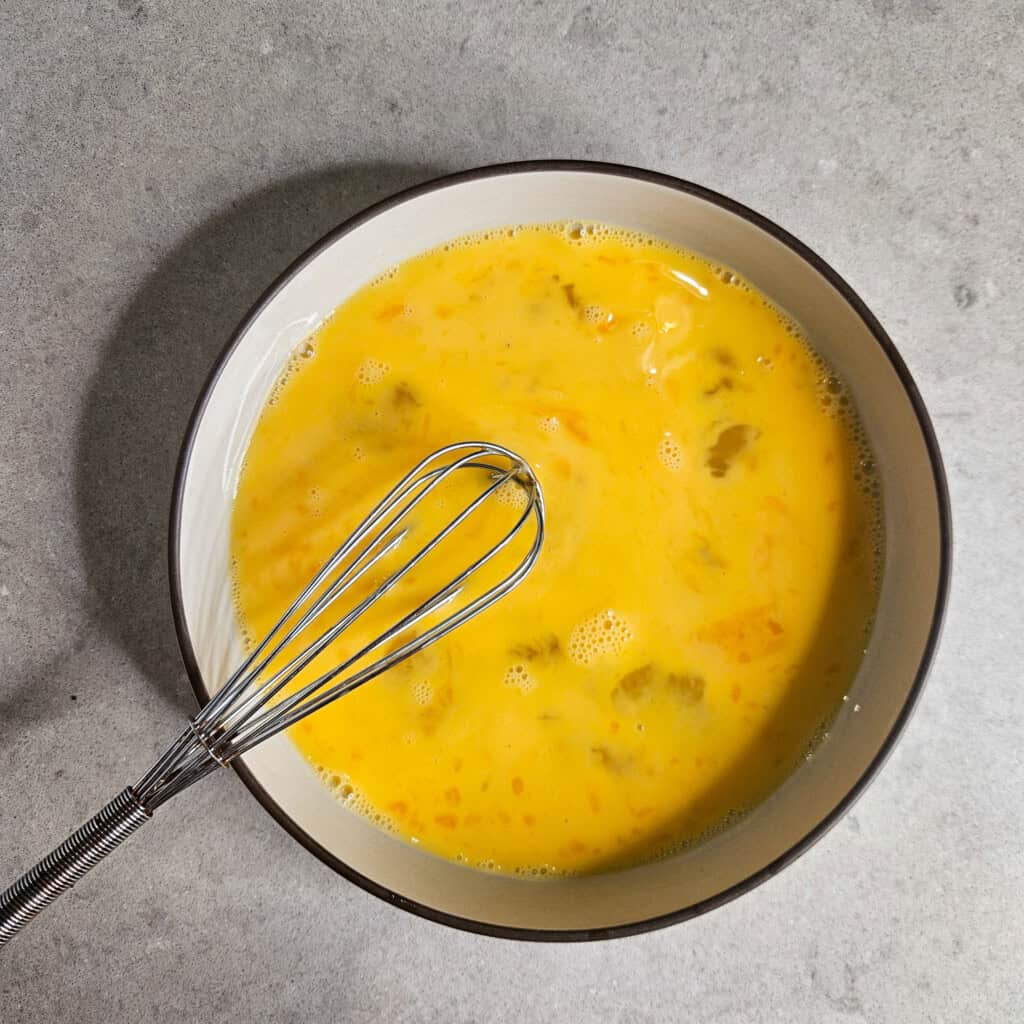
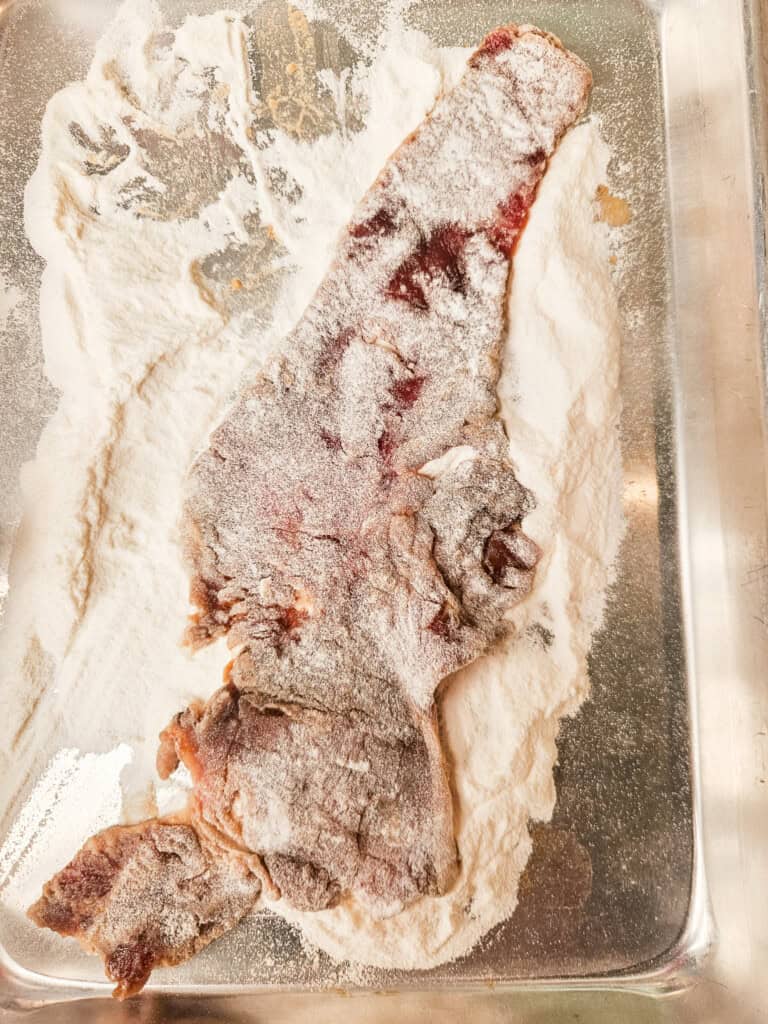
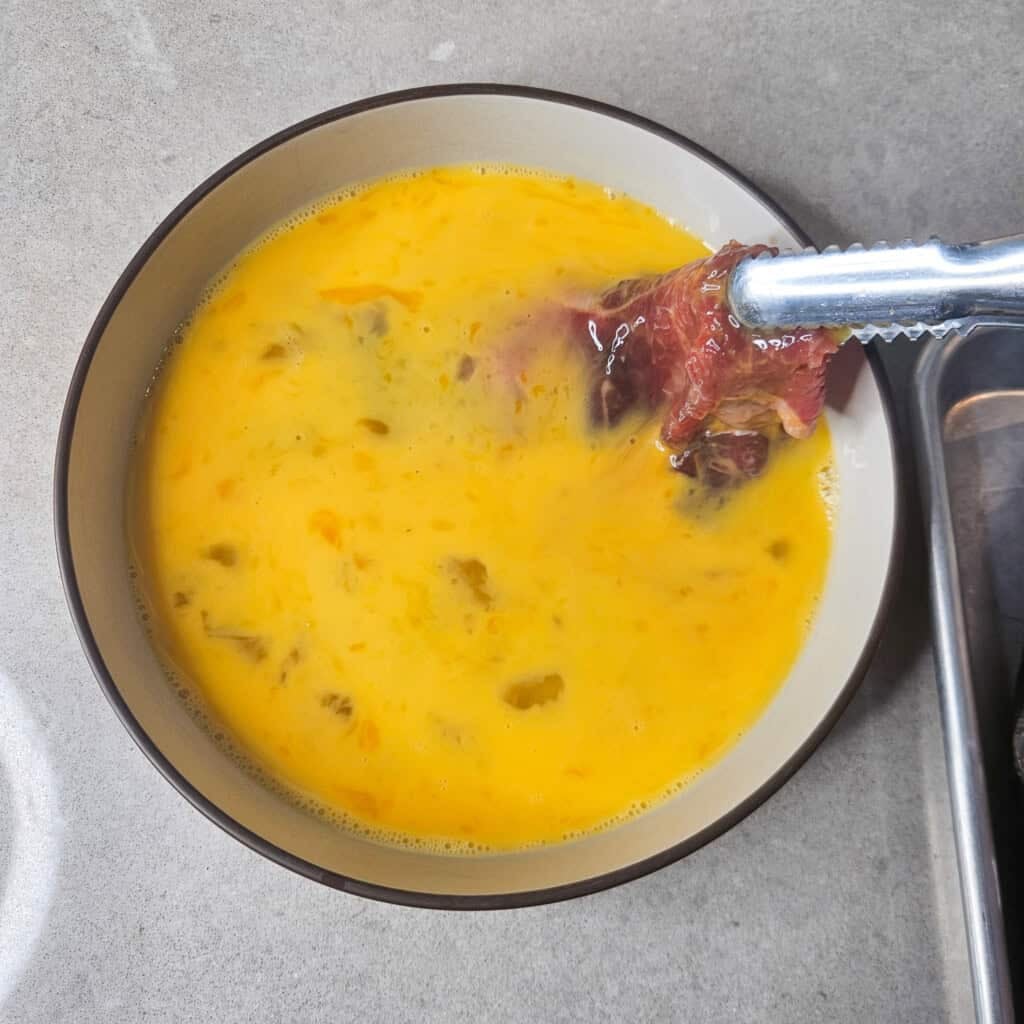
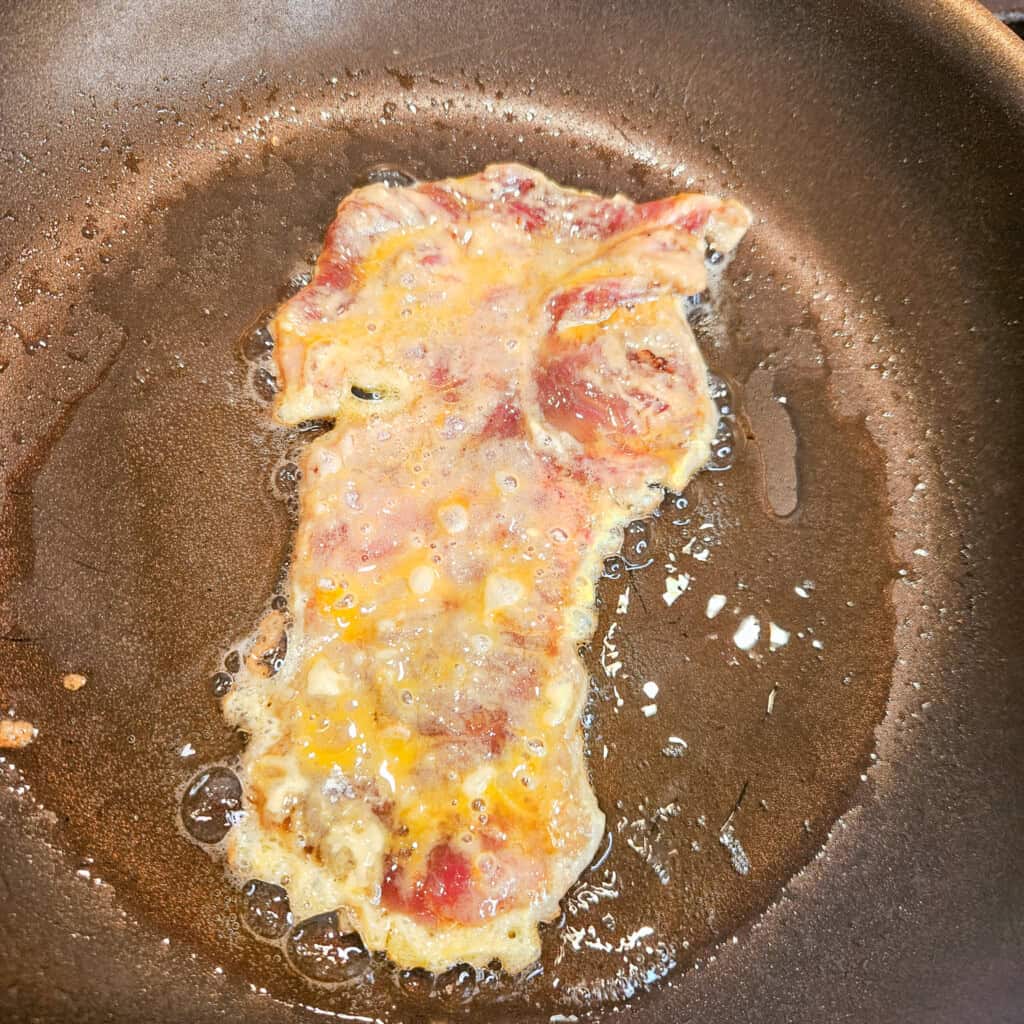
- Make the meat jun marinade.
- Marinate the beef slices 30 minutes, up to 1 hour.
- Make the dipping sauce while beef slices are marinating.
- Add chosen starch or flour to a shallow pan or plate.
- Whisk the eggs and add the mixture to a pan or plate.
- Set up the workspace in the order of cooking operations.
- Heat some oil in the frying pan.
- Dredge one beef slice and dip it in the egg mix.
- Cook the meat jun one each side for 30 seconds to 1 minute.
- Drain the cooked meat jun on a cooling rack.
Tips For Making Meat Jun
- Marinating in Layers: Using a container big enough to layer the beef slices and marinade inside neatly helped me fully marinate the meat with its short marination time. I started with beef slices at the bottom, then a few spoons of marinade, swished it a bit so it got on the top layer of the slice, then repeated the layers from there.
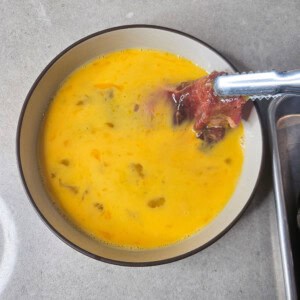
- Egg Dip Completely: Fully dredge with your starch of choice, but then really sink that beef slice into the egg, doing some flips back and forth. This will make a distinctive coating for the meat jun.
- Set Up Your Cooking Space: Each meat jun cooks really fast (about one minute per side) so the dredging actions have to happen fast. You want to set up the marinated meat, plate of starch and shallow bowl of whisked eggs in that order to the left of your frying pan. Setting up a wire rack on a rimmed baking sheet to the right of the frying pan provides a landing zone for the cooked meat jun.
- Cook Your Rice Beforehand: Nothing worse than realizing there's no rice after cooking something like meat jun!
FAQ
Let some of the marinade drip off the slice as you pull it out of the marinade container. You can flip both sides over in the starch a few times to make sure it is fully covered. Then make sure both sides of the beef slice are fully coated in the starch before dipping it in the whisked eggs. The starch helps the egg stick to the slice.
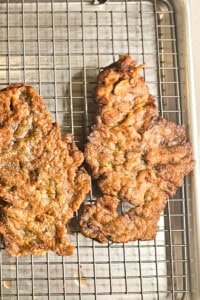
Meat jun will not stay crispy after sitting for a long time because the crispy coating absorbs moisture from the marinade, making it soft. However, you can drain the oil from the meat jun by putting it directly on a cooling rack or paper towel, which helps it stay crispy longer.
To recrisp leftover meat jun, heat a dry skillet over medium heat without any oil. Pan-fry each side for about a minute until hot and crispy again.
Authentic Local-Style Meat Jun from Hawaii
Disclosure
The equipment and ingredients sections contain affiliate links to products I love to use as well as items that I personally believe make this recipe the best version of itself.
Ingredients
Meat Jun Marinade
- 1 lb beef New York Strip or Ribeye, thinly sliced
- 6 tablespoon soy sauce Sempio Rich & Savory or All-Purpose Kikkoman
- 2 tablespoon water
- ¼ cup granulated sugar
- 2 tablespoon mirin
- ½ tablespoon grated garlic
- ½ tablespoon sesame oil
- ¼ teaspoon grated ginger
Meat Jun Coating and Frying
- 2 cups all-purpose flour or cornstarch or potato starch or mochiko (Koda Farms) flour
- 4 eggs beaten
- 2 tablespoon water
- neutral oil for frying
Meat Jun Dipping Sauce
- ¼ cup soy sauce Sempio Rich & Savory or All-Purpose Kikkoman
- 2 tablespoon brown rice vinegar
- ½ teaspoon grated garlic
- 1 tablespoon granulated sugar
- 1 teaspoon sesame oil
- 2 tablespoon water
- 1 teaspoon white sesame seeds
- 1 teaspoon Korean red pepper flakes (gochugaru) optional
- ½ teaspoon Korean red pepper paste (gochujang) optional
Instructions
Marinate
- In a bowl, add soy sauce, water, sugar, mirin, grated garlic, sesame oil, and ginger. Stir together until well combined.
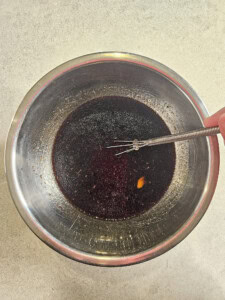
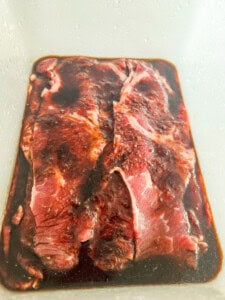
- Layer the beef slices adding spoonfuls of marinade for each layer. Gently swish each marinade around before adding another layer. Marinate for 30 mins - 1 hour.
Make The Dipping Sauce
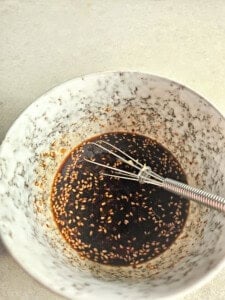
- In a bowl, add soy sauce, sugar, brown rice vinegar, sesame oil, sesame seeds, grated garlic, water and whisk together.
Cook the Meat Jun
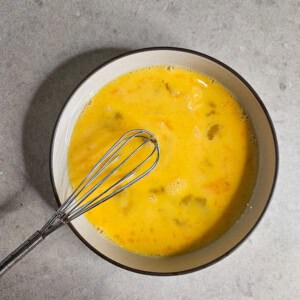
- In a shallow bowl, add your starch of choice. Evenly spread onto a shallow small baking sheet or plate. In a separate shallow plate, whisk the eggs and 2 tablespoon of water together.
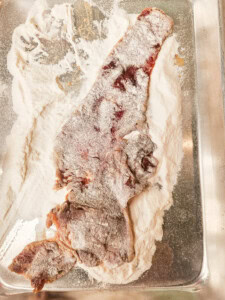
- Add neutral oil to a large frying pan and heat to medium heat. Meanwhile, take a piece the marinated beef and cover both sides with you choice of starch.
- Dip the dredged beef in the egg mixture fully, flipping on both sides.
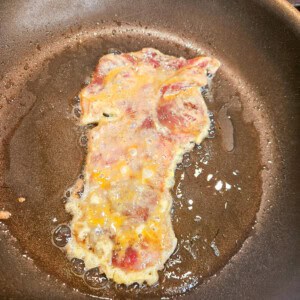
- Fry the beef on one side until the cooked side is puffy and golden brown. Flip and fry the other side until golden brown. About 30 seconds to 1 minute each side.
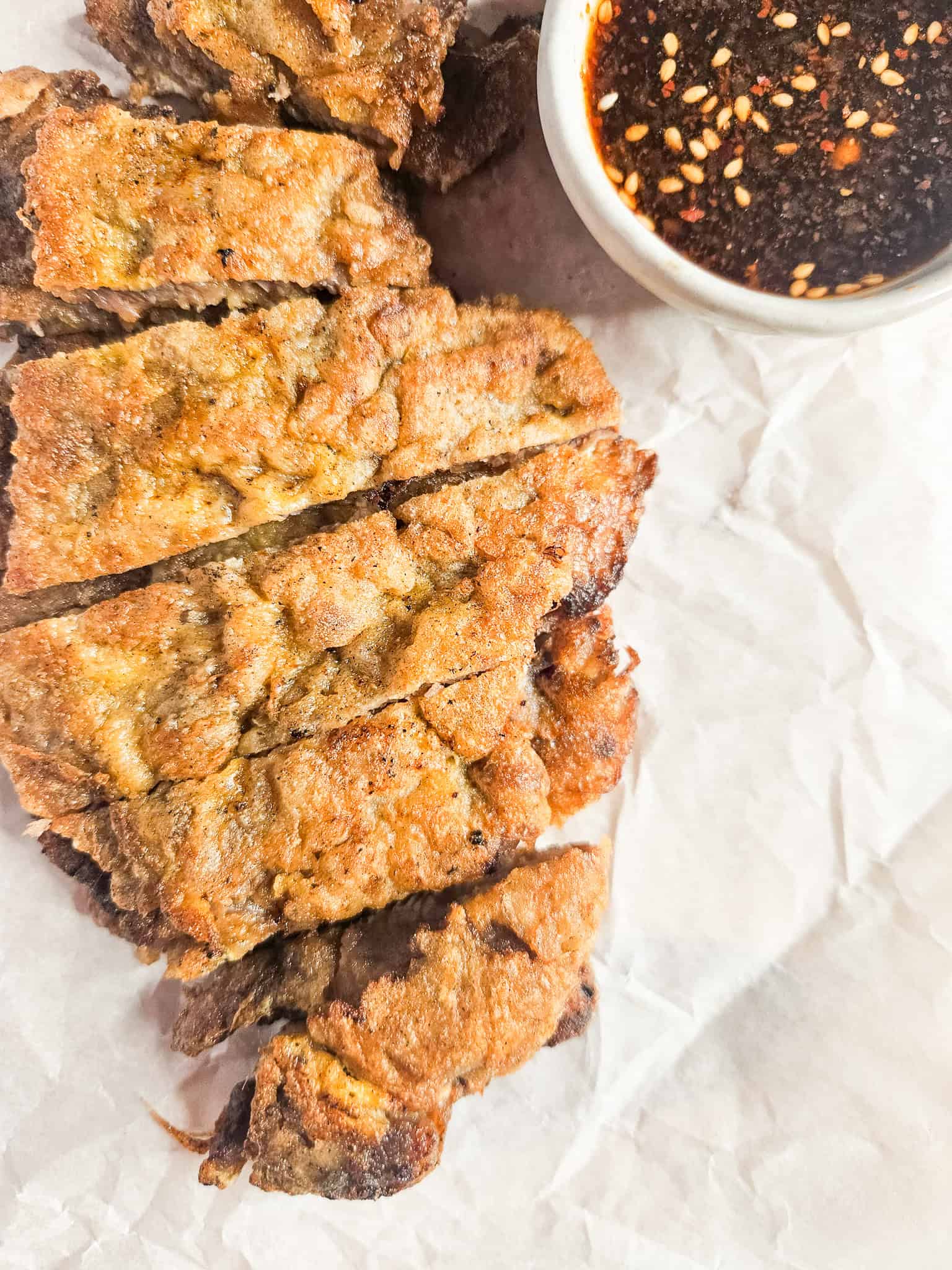
- Place on a rack to drain excess oil. Slice and serve immediately with steamed white rice and dipping sauce.
Nutrition
Have You Tried This Recipe?
Simply rate the recipe by clicking on the ⭐️s on the recipe card. Have something to say? Please leave me a comment down below telling me what you think of this recipe.
Bonus: Let me and other readers know what you did to make this recipe your own - 💫 let's inspire each other!
Also, follow me on Instagram [@third.culture.taste] and send me a DM with a picture of what you made. I would love to share and celebrate YOUR creation with our budding community 💞
Check out Third Culture Taste on Pinterest and Facebook for more delicious updates.
Crazy tasty delicious and waaaaaay too easy to eat. I have to ration myself every time.
Great flavor!!
Thanks for including the different options with the flour it makes the job easier!
Interesting tips on the flour choices. Didn't realize there were options. I enjoyed the AP and Cornstarch the most. Marinade was good enough for me to not even need the sauce