
No-Spread Ube Cut-Out Sugar Cookies (Holds Their Shape)
Disclosure: Some of the links in this post are affiliate links. This means if you click on the link and purchase an item, Third Culture Taste will earn a commission at no extra cost to you. See terms and conditions for details.
2026 Update: I went back to the drawing board, redeveloped, tested, and retested a new recipe based on your feedback. This recipe is a brand new and revamped one made with ube halaya in addition to ube extract. What you get is a cut-out style sugar cookie that keeps its shape with a perfectly balanced texture, light, and flavorful!
Jump to:
- What Happened to the Old Recipe?
- Learning Lessons
- Which Brand of Ube Halaya and Extract to Use?
- What Coconut Milk Do I Use for Ube Desserts?
- Hydration Checks When Making the Dough
- Tips for Rolling and Cutting
- How to Make the Ube Flood Icing
- When to Serve
- Ube Sugar Cookies with Ube Icing
- Have You Tried This Recipe?
Update Disclosure: This post has been updated for one or more of the following reasons: easier reading, updated photos, clearer instructions, and just plain ol' improvements to the recipe (as noted).
What Happened to the Old Recipe?
There were people reaching out to kindly let me know how the sugar was wayyy too much for the flour used in the first recipe. Indeed, it just made a goopy dough. I apologize and I have learned my lesson in getting my ratios mixed up and double-checking my work.
Now that I've grown and learned - I really, really want to make this up to you. This is no longer the frustrating recipe it once was. This new recipe is fail-proof, made with real ube halaya that is easy to roll and cut out.
Learning Lessons
First of all, agreed. It was way too much sugar and butter that ended up being an oily mess.
- Fixed the Moisture Levels: So I went much lower with the sugar and butter this time. I also left out the egg white too. Why? Because I added in spoonfuls of ube halaya or ube jam. Halaya has actual ube (purple yam) in it, which retains moisture and keeps the cookie soft inside.
It works on the same principle as adding mashed potatoes to potato rolls or European Kartoffelbrot where the tuber starches hold onto hydration, creating a soft, tender crumb. - Reinforced the Ube Flavor: Many ube recipes out there don't have coconut milk in them. There's nothing wrong with that, but the problem with the lack of coconut is that these recipes miss an important aspect of capturing that traditional ube flavor from the Philippines. Most Filipino recipes that paired ube and coconut created a signature flavor that made ube very popular. If you want that authentic, dreamy, deep flavor of ube, you're gonna need to add a bit of coconut milk, so this is what's used in the cookie recipe to make a rollable dough.
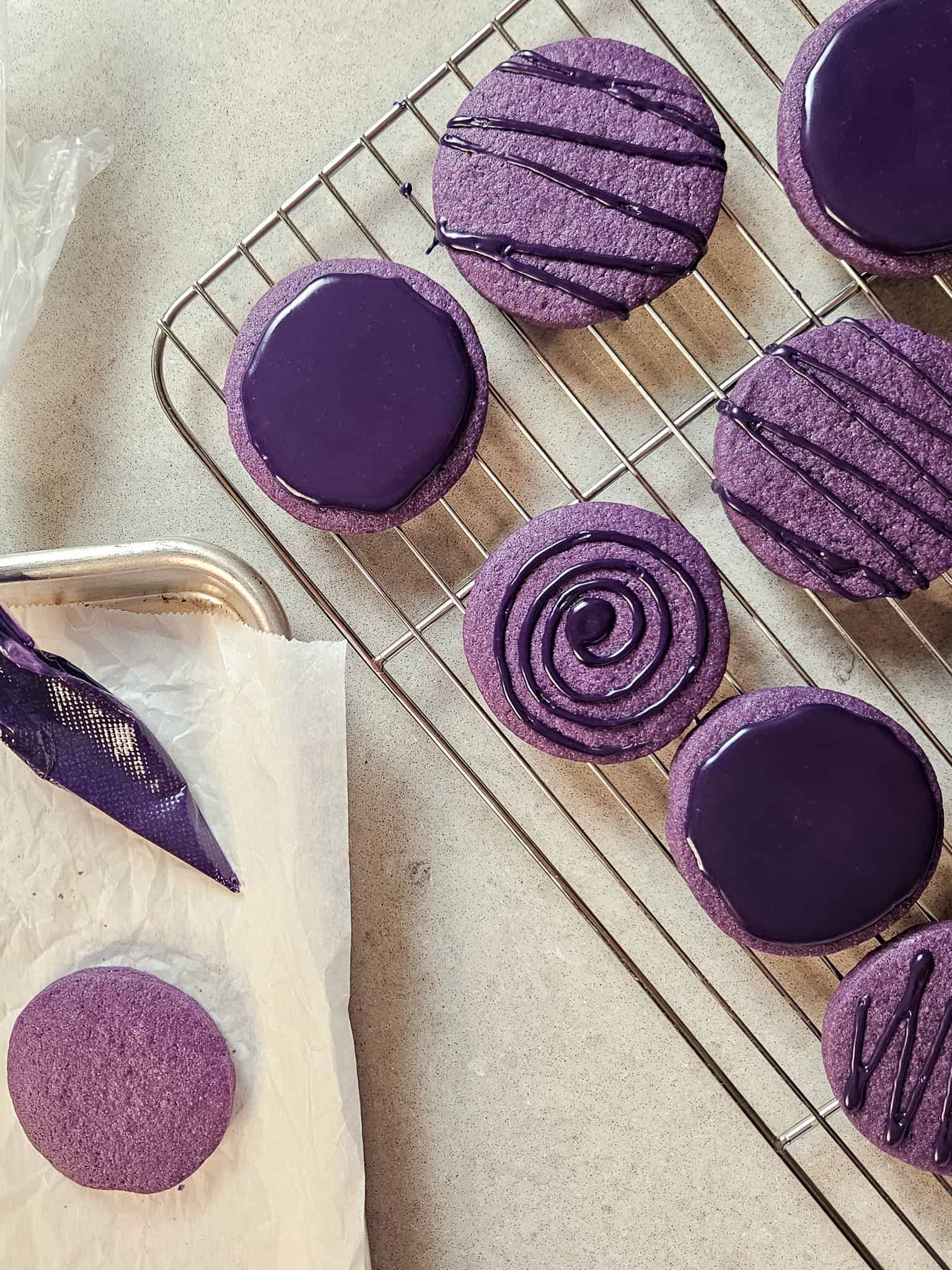
- Updated the Icing Recipe: I changed the recipe completely to create a flood-type frosting that you can easily drizzle over the cookies or straight up 'flood' the cookie with. You can also control how thick or thin you want depending on how much coconut milk you add.
Which Brand of Ube Halaya and Extract to Use?
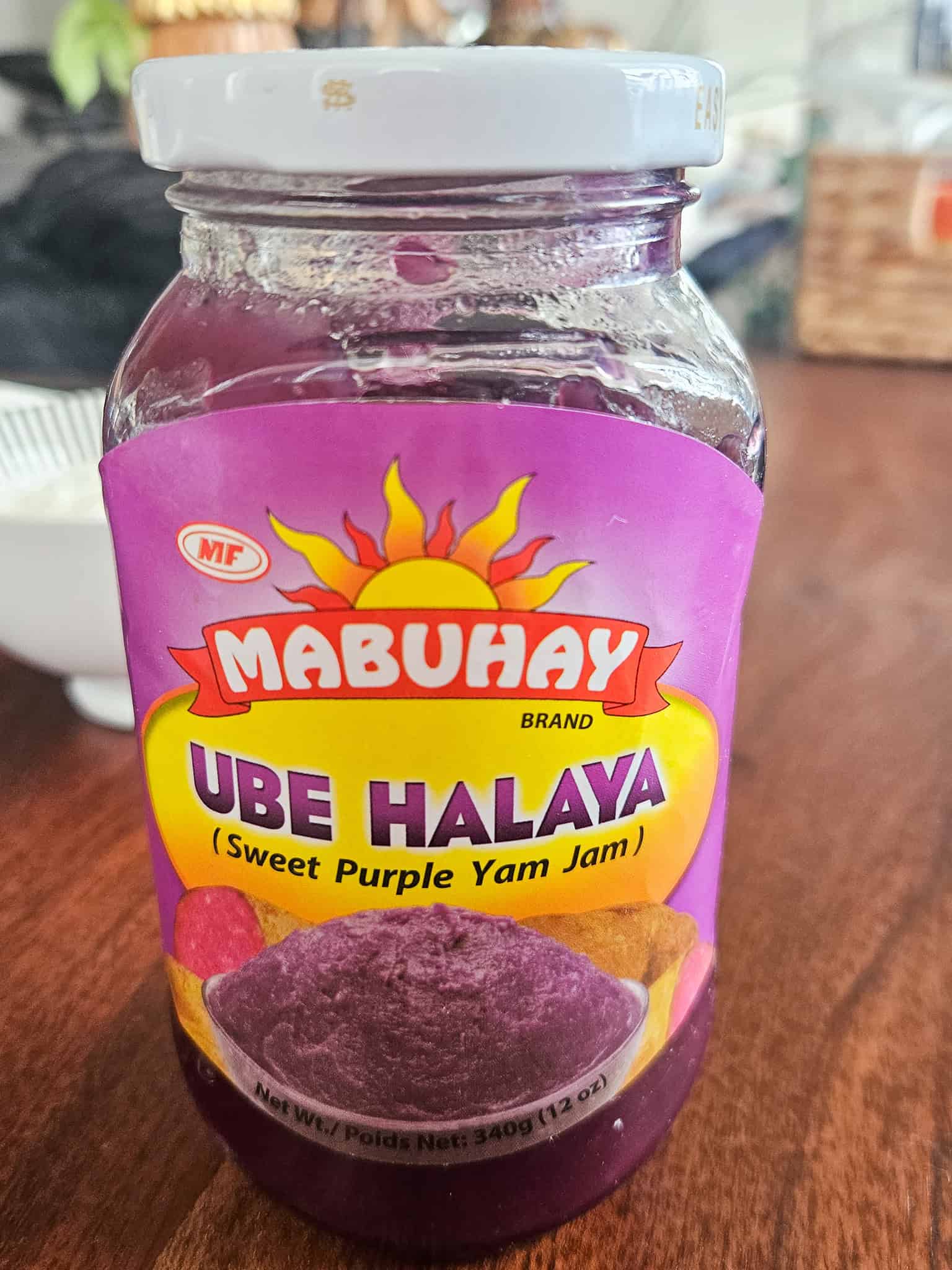
I'm not that particular with what brand to use, but you should check the ingredients section on the back of these jars. Just make sure there are no weird artificial flavors on the list. The brand I used for this recipe is called Mabuhay and their jam simply has purple yam (English name for ube, wow original), sugar, and water.
Given that it's rare to find actual, real ube in the United States, the next best thing is jarred ube halaya. Ube halaya is basically mashed ube with sweeteners, cooked down to make a delicious starchy jam. Though it's mostly used as a spread, it can be added as an ingredient for many bakes!
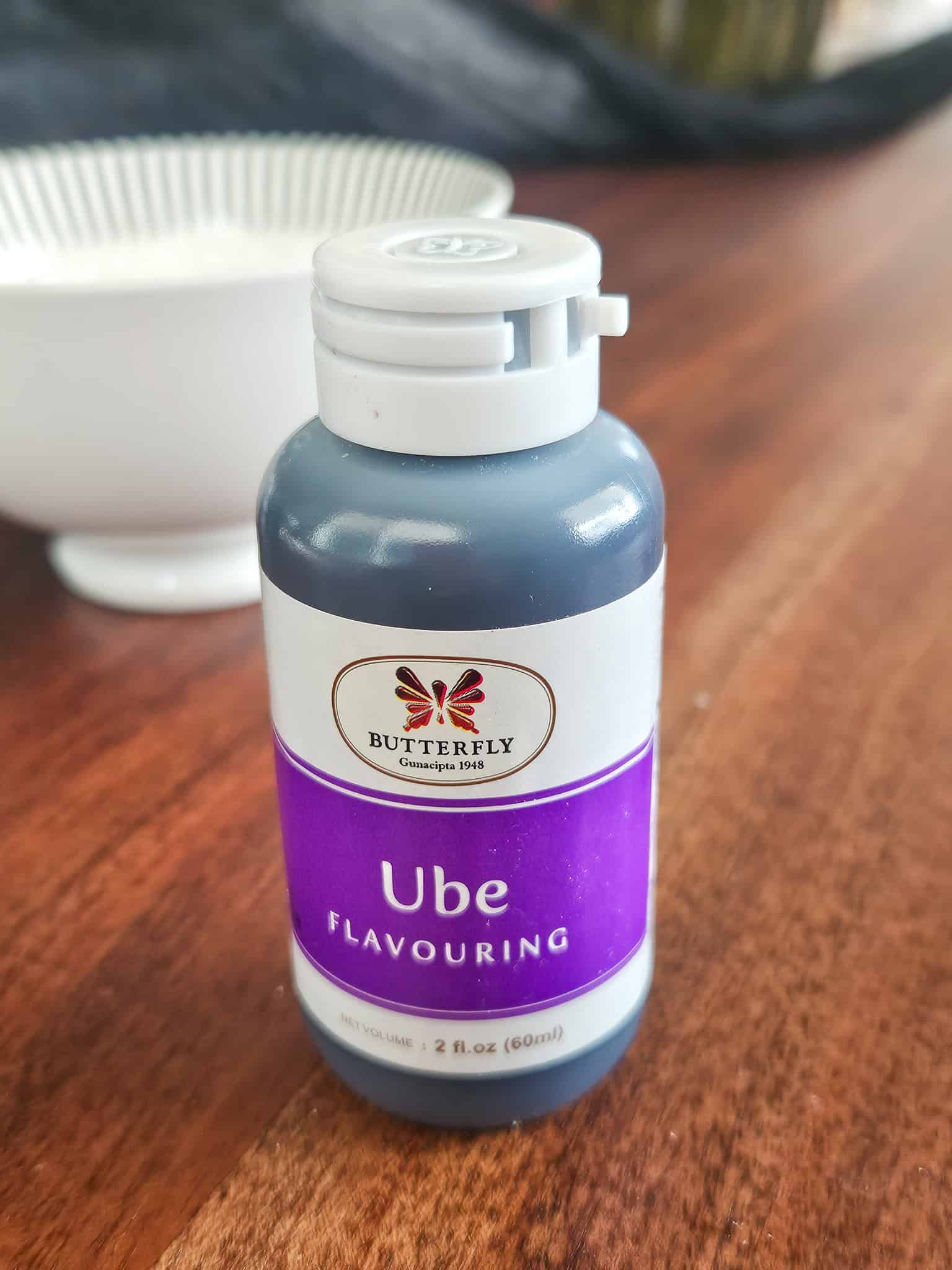
The brand Butterfly is a go-to for ube extract. It is easy to find online, but just be careful when you open that top cause if it pops open you could stain everything.
What Coconut Milk Do I Use for Ube Desserts?
Full. fat. It's just the best and tastiest and creates a lot of richness and depth! There are a lot of really, really great Asian brands that are commonly found in the Asian section of a grocery store. My pantry currently has cans of Chaokoh and Aroy-D.
The coconut fat separates from the water after sitting on the shelf for a while. Make sure to shake the can a few times to reintegrate the layers again before opening it.
Hydration Checks When Making the Dough
After creaming the sugar and butter, you'll need to add the ube halaya, extract, and egg yolk. There are real yams in ube halaya, so the creamed butter won't look perfectly smooth, but just a little bit grainy. This is the texture you want because you want to show you have bits of ube in your cookie.
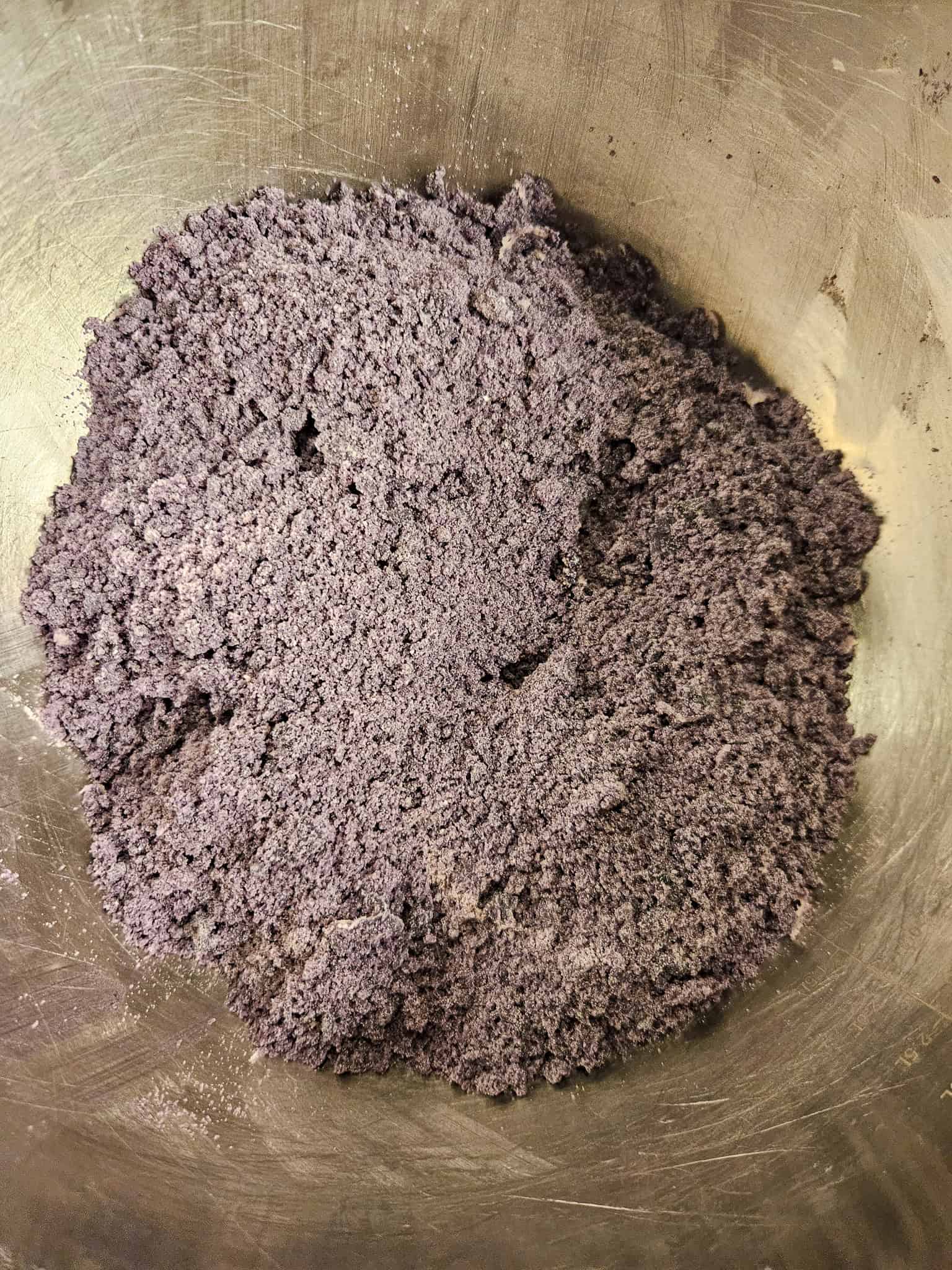
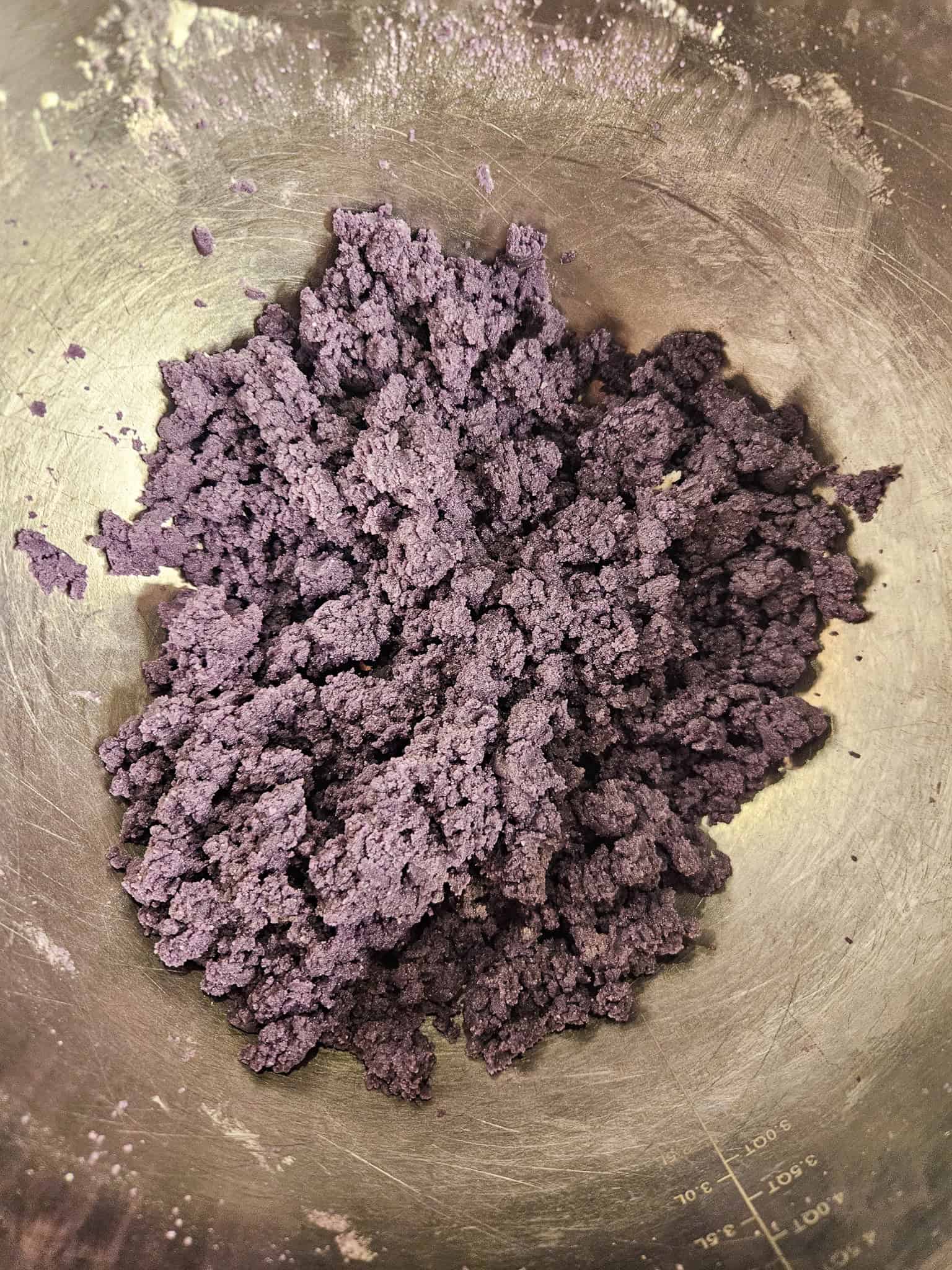
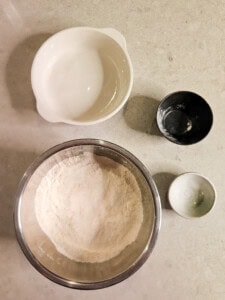
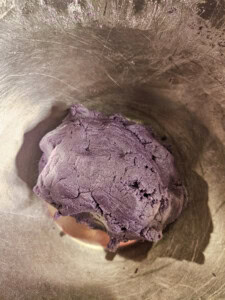
Once you add the flour, it's going to look dry and dusty like the image above. You will want to add all the coconut milk at once, but do not panic! Start with just 1 tablespoon first and then mix again. It will slowly go from dusty to crumbly. Add more coconut milk 1 teaspoon at a time and remix until you get large crumbs.
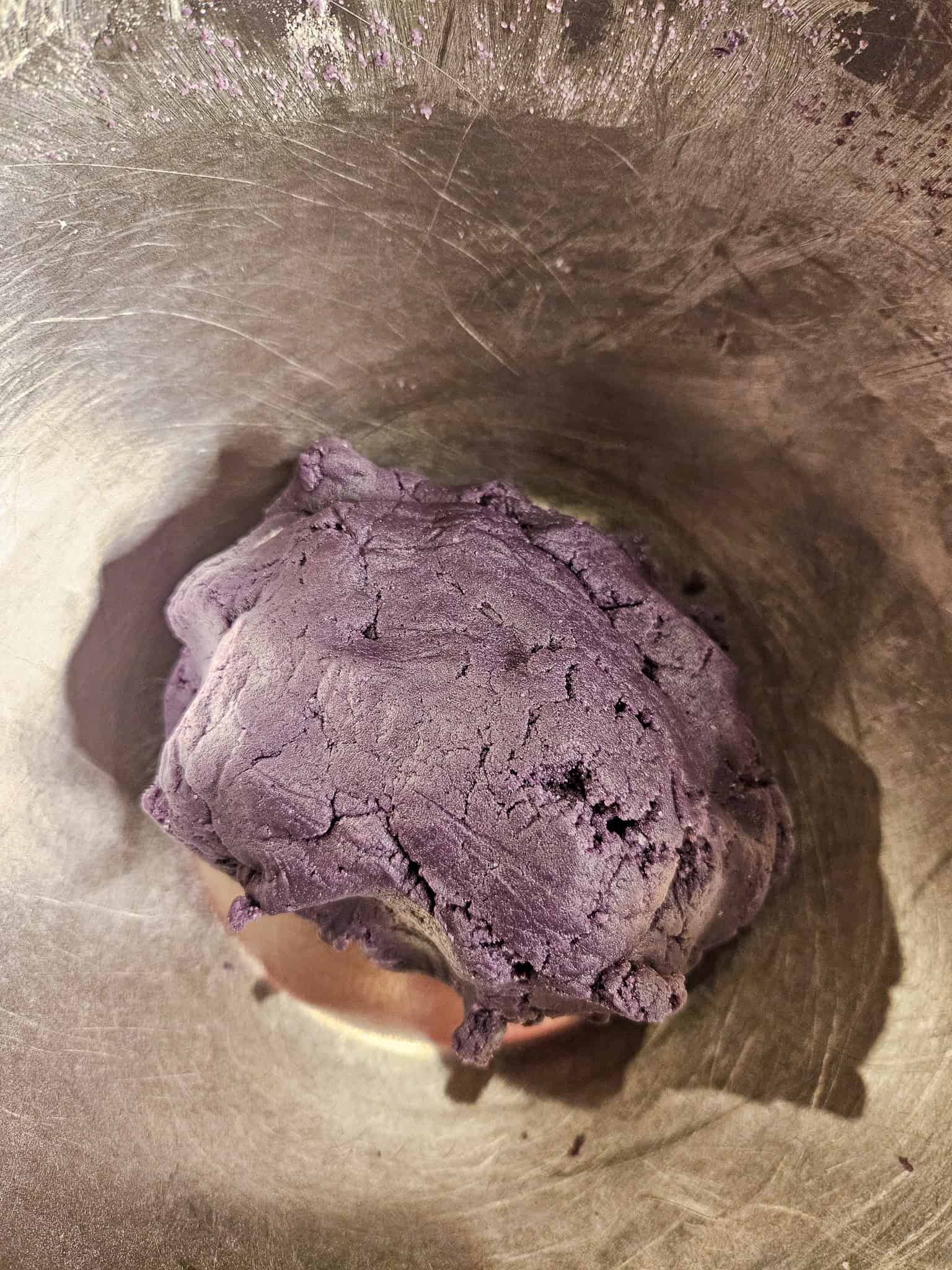
At this point, you should be able to make a ball with the dough.
Tips for Rolling and Cutting
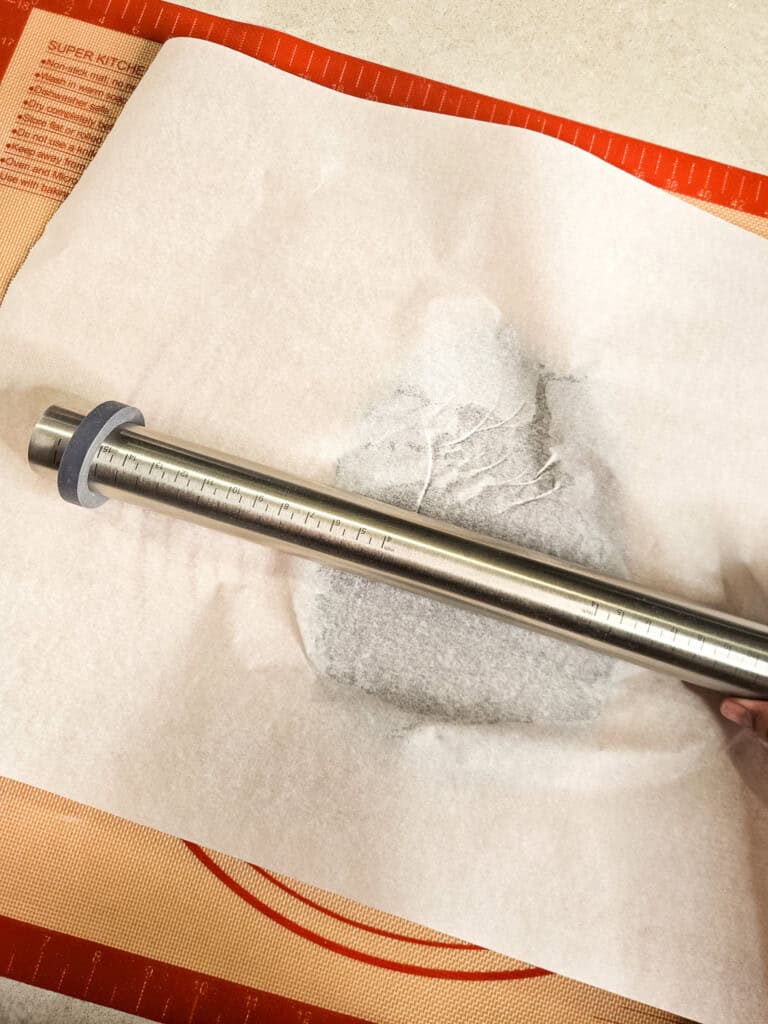
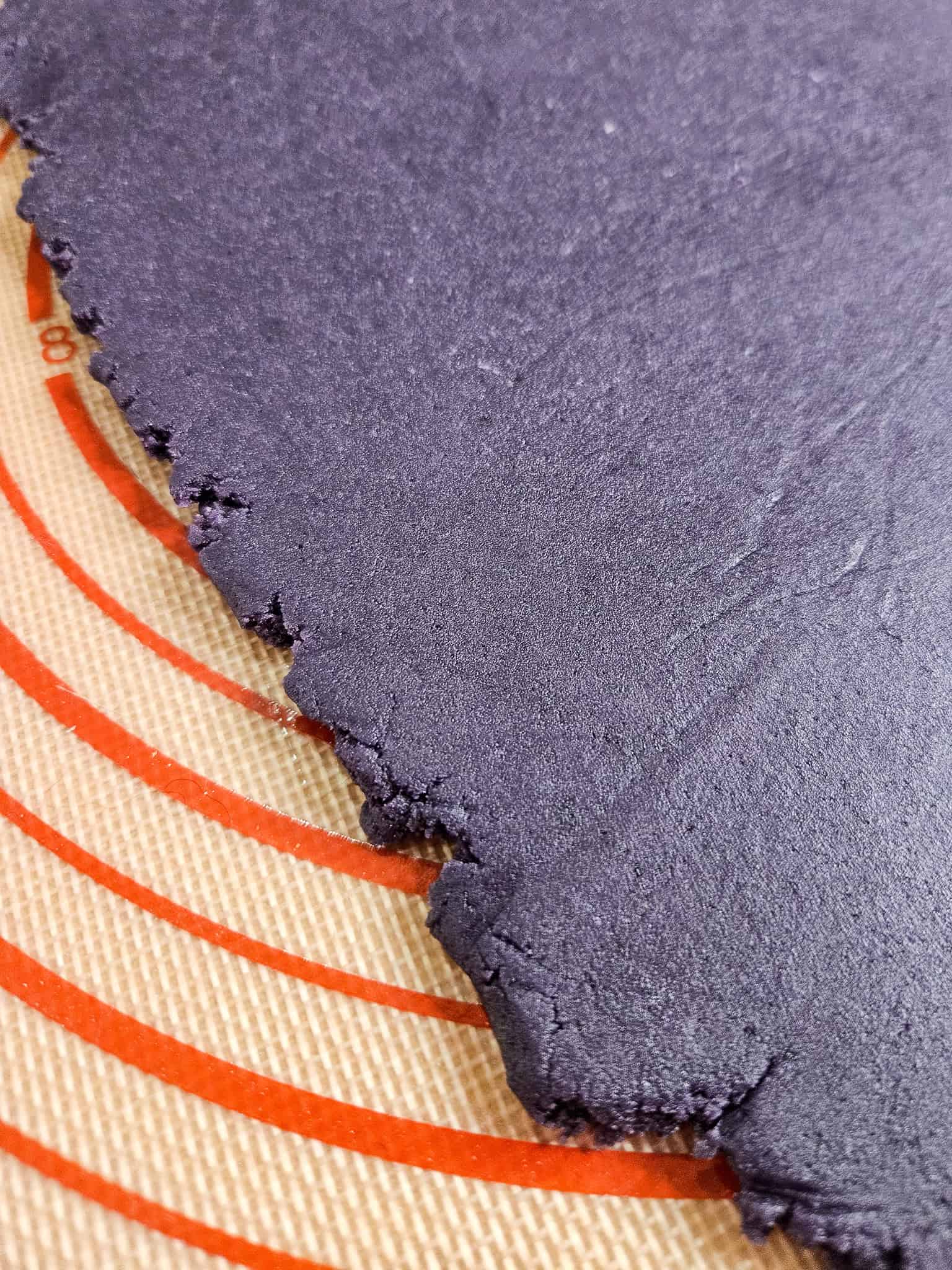
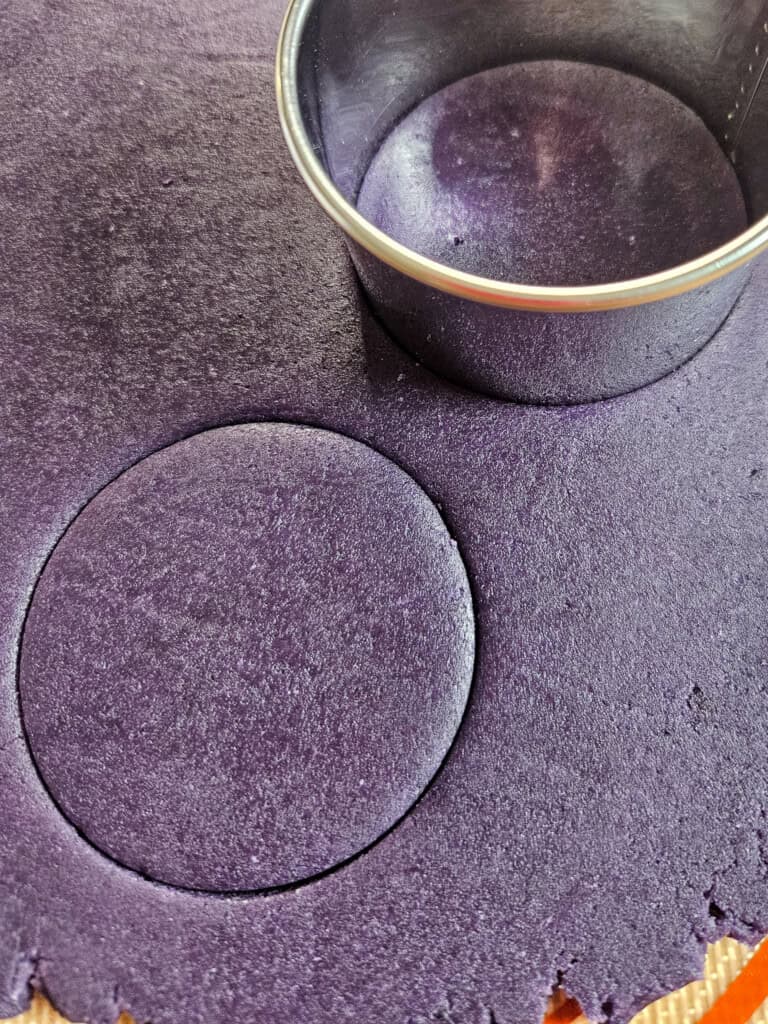
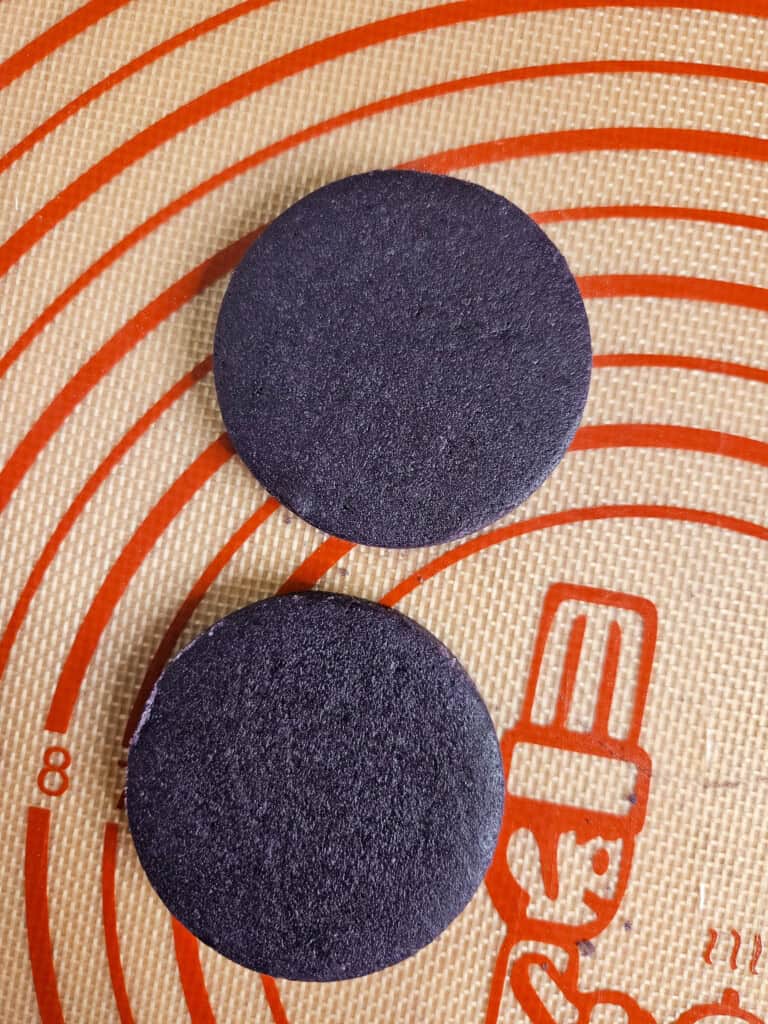
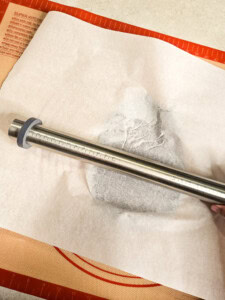
You can roll this dough out immediately on a clean work surface. In my image above, you can see that I put it on a silicone mat. Please remember *not* to use flour! To keep the dough from sticking to the rolling pin, place a sheet of parchment paper on top of the dough and roll out the dough to ¼" - ⅜" thick.
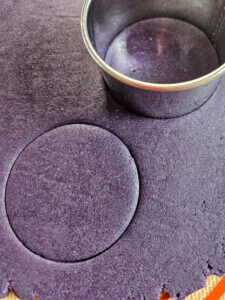
Using a metal cookie cutter, simply cut out shapes on the rolled dough and remove the excess first before lifting the cookies themselves. You can use an offset spatula to help you lift the cookies.
Create a ball with the excess dough, wrap in clingwrap, and place in the fridge for 5-10 minutes before rolling it out again.
How to Make the Ube Flood Icing
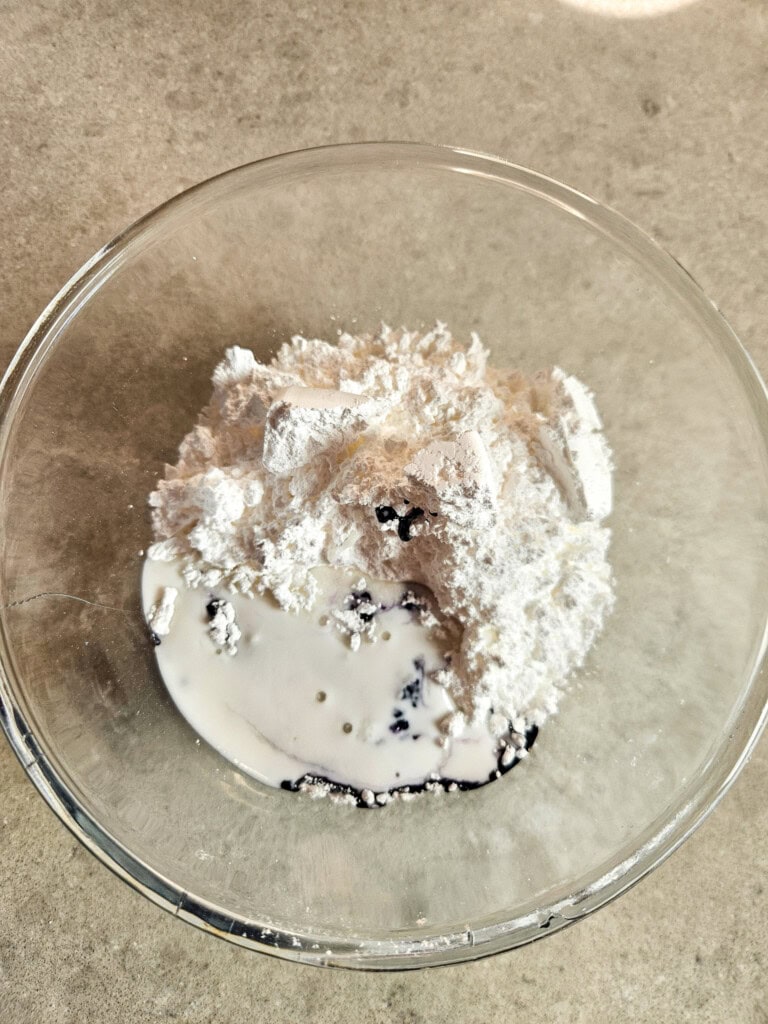
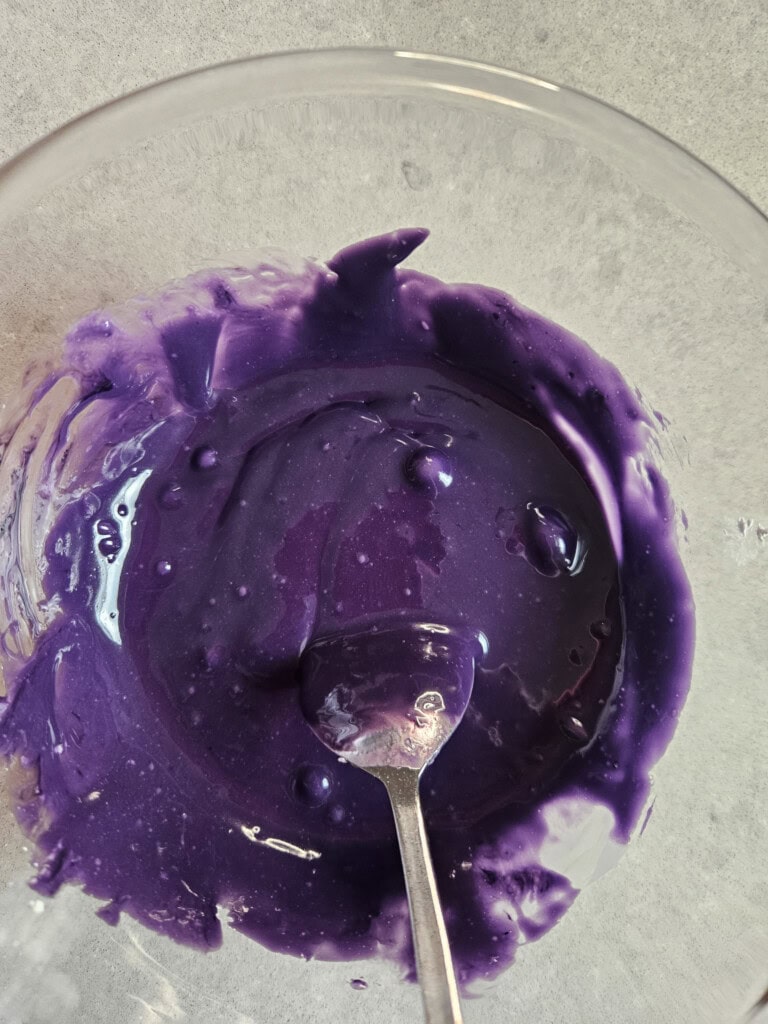
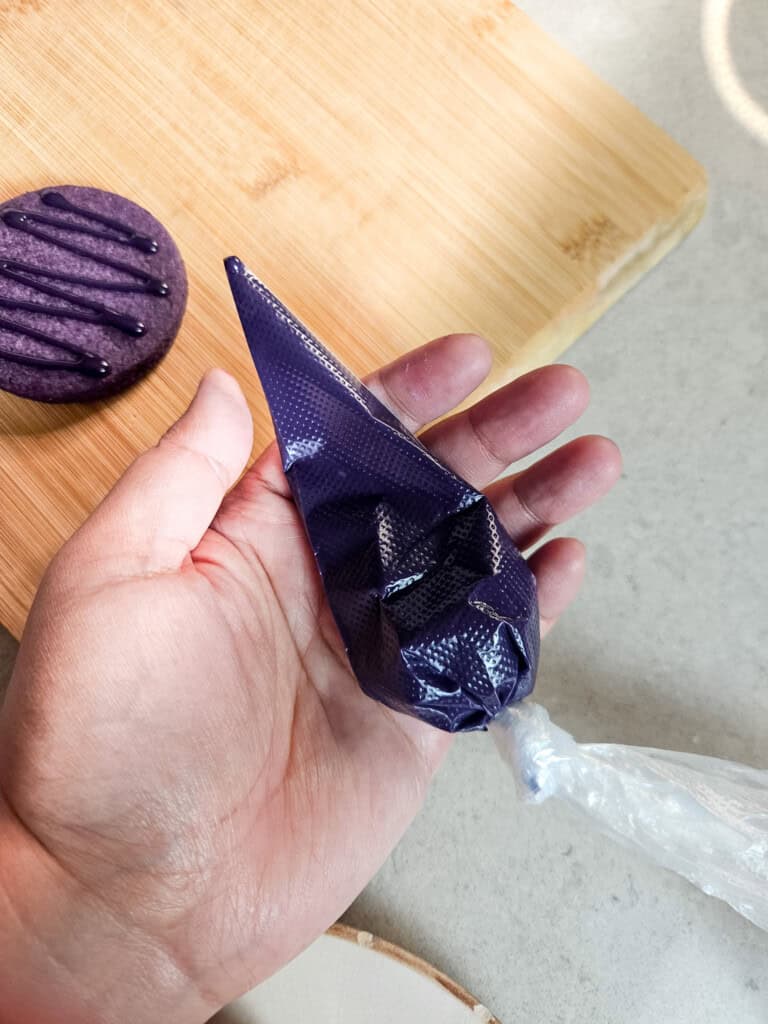
Slowly add the coconut milk 1 tablespoon at a time while mixing until you get your desired consistency.
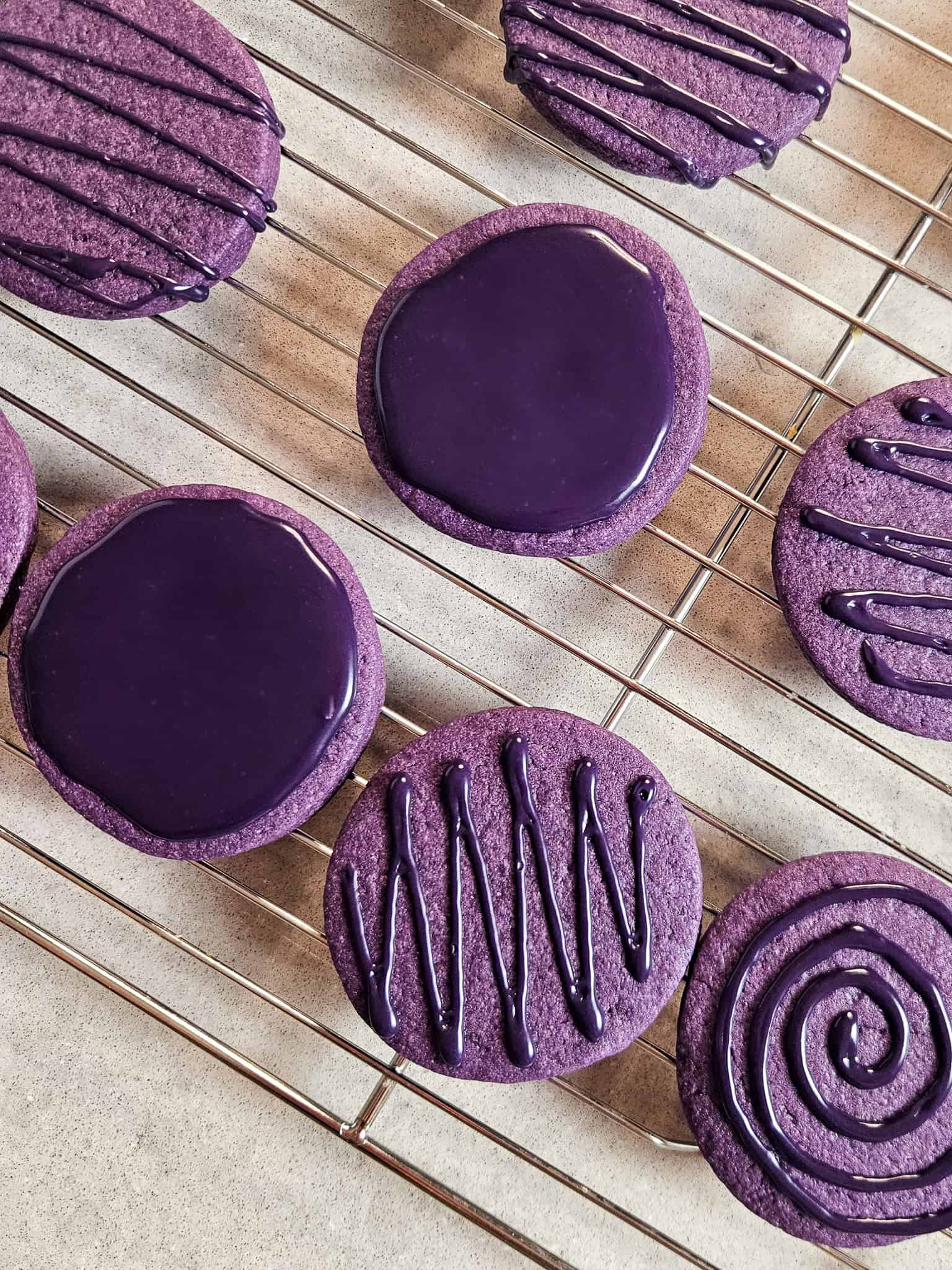
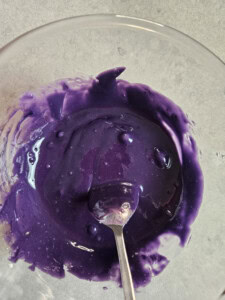
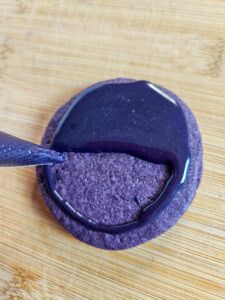
For flooding and drizzling, you are looking for medium to high viscosity and icing that disappears into itself after 10 seconds. To test the consistency, bring a spoonful of the icing above the bowl and drip it back into the bowl. The drips should sit on top of the icing's surface and then slowly disappear into it. Use a piping bag to decorate the cookies with this thickened icing.
To dip the cookies instead, use more coconut milk until you get a loose glaze texture. Gently dip the cookie upside down into the icing, gently lift, and let the excess drip down completely before turning it right side up.
This frosting will develop a smooth, non-sticky outer shell in a couple of hours, but it will be softer than the snap-like crust of a royal icing.
When to Serve
I let these cookie sit out overnight before stacking them up and packaging them as gifts. My personal opinion is that these cookies taste better the next day. They gave off more of the ube flavor and got just a teeny bit more tender. One generous feedback from my friends is that it was the perfect coffee cookie.
But my favorite feedback of all is that,"it was not too sweet!"
Yes, you can, but the cookie will result with a more dense texture. You will also need to adjust the ingredients though because the halaya adds some moisture, fat, and structure to the dough. Add another tablespoon of coconut milk and room-temp butter to the dough plus an additional 1½ teaspoons of ube extract.
Asian markets are the way to go. Bigger Asian markets almost always will have them, such as H-Mart, 99 Ranch, and Seafood City. If you can't find them in stores, extract and halaya are available online.
Wait a solid 2-3 hours after frosting for the icing to settle before stacking and boxing them up.
Ube Sugar Cookies with Ube Icing

Disclosure
The equipment and ingredients sections contain affiliate links to products I love to use as well as items that I personally believe make this recipe the best version of itself.
Ingredients
Ube Sugar Cookie
- 1 ½ cup all-purpose flour
- 1 teaspoon baking powder
- ¼ teaspoon salt
- ½ cup unsalted butter room temperature
- ½ cup granulated white sugar
- 1 egg yolk
- 3 tablespoon ube halaya
- 1 teaspoon ube extract
- 2 tablespoon coconut milk
Ube (Flood) Frosting
- 1 ½ cup powdered sugar
- 3 tablespoon coconut milk
- ½ tablespoon light corn syrup
- ½ teaspoon ube extract
Instructions
Make the Cookies
- Preheat oven to 350℉ (180℃). Put the flour, baking powder, and salt into a bowl. Whisk them together and set aside.
- In a separate bowl, cream the sugar and butter together using an electric beater until light in color.
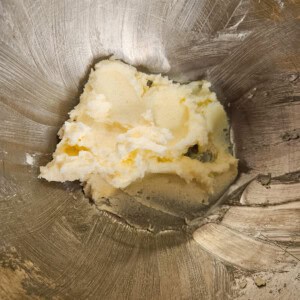
- Add the egg yolk, ube halaya, and ube extract to the creamed sugar and butter. Mix together.
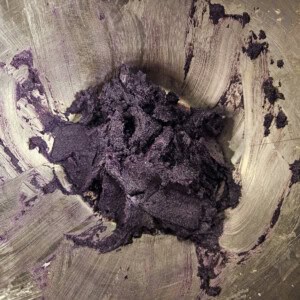
- Add the flour mix to the wet ingredients and beat on medium until well incorporated. It will look dry and separated at first.
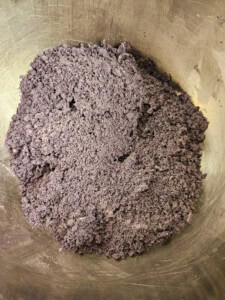
- Add 1 tablespoon of the coconut milk and beat again, continue adding the remaining coconut milk 1 teaspoon at a time and beat again. You may find that you can use less than 2 tablespoon of coconut milk. Stop when the dough starts to come together.
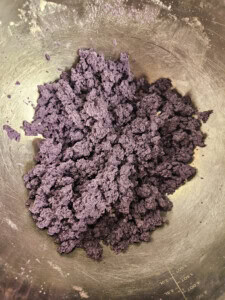
- You know the dough is ready it starts forming big clumps when beating and when you can form a large dough ball with your hand.
- Place the dough on a clean, flat surface. Place parchment paper on top of the dough to keep it from sticking to the rolling pin. Roll out the dough to ¼ inch thick.
- Cut out cookie shapes and place them on a parchment lined cookie sheet. Bake in the oven for 12 - 15 minutes. Allow the cookies to cool completely (20 mins) before frosting.
Ube Flood Frosting
- In a bowl, add powdered sugar, light corn syrup, ube extract, and coconut milk.
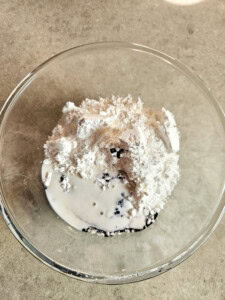
- Mix the ingredients together until all the powdered sugar has disappeared. The texture should be thick, but drippy so that you can easily pick up with the spoon and it slowly drips back into the bowl disappearing after a few seconds.
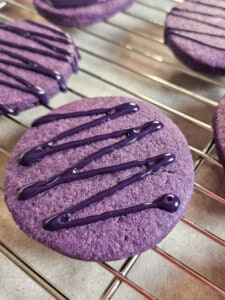
- Drizzle the cookies with the frosting. Let it sit for two hours for the frosting to harden and develop a smooth shell.
Flooding Ube Cookie With Frosting (Optional)
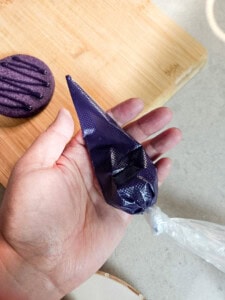
- To flood the ube cookie with the frosting, add some to a piping bag and cut a millimeter off the tip to create a very small opening. This is your frosting pen.
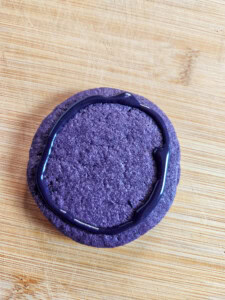
- Draw an outer ring with the frosting pen by squeezing the piping bag lightly.
- Starting from the top of the cookie, inside the top portion of the ring you made, squeeze the piping bag harder and begin filling in the hollow of the circle. Note: If you end up with empty holes inside the circle, take a toothpick and drag some of the frosting into the holes.
Nutrition
Have You Tried This Recipe?
Simply rate the recipe by clicking on the ⭐️s on the recipe card. Have something to say? Please leave me a comment down below telling me what you think of this recipe.
Bonus: Let me and other readers know what you did to make this recipe your own - 💫 let's inspire each other!
Also, follow me on Instagram [@third.culture.taste] and send me a DM with a picture of what you made. I would love to share and celebrate YOUR creation with our budding community 💞
Check out Third Culture Taste on Pinterest and Facebook for more delicious updates.

Hey, I think the flour is way off. I needed to add a whole bunch extra to get the dough workable, maybe 1 cup more.
My husband had the same experience when he made a second batch.
Hi Bex, Thanks for letting me know! I'm going to change this as a draft in my blog and rework the recipe. I do remember rolling the dough with a lot of flour and I didn't take that into account. Appreciate it!
These are so incredibly delicious and nicely delicate with the Uber flavor!
Not too sweet and almost has a chocolate notes. Easy to eat multiples!
I’ve never had ube cookies before, and now I love them! The cookie was moist and the ube flavor was perfectly balanced.
I really recommend you try making them!
10/10. If these cookies were my parents I'd be a much more well adjusted person.