
Classic Portuguese Egg Tarts (Pastéis de Nata)
Disclosure: Some of the links in this post are affiliate links. This means if you click on the link and purchase an item, Sees Food, Will Travel will earn a commission at no extra cost to you. See terms and conditions for details.
I know I'm not the first to say it, but Portuguese food is really good. As a die-hard seafood and pastry lover, my time in Lisbon and Porto during spring felt like heaven on earth. The country opened my eyes to soft grilled octopus, canned sardines, and of course, pastéis de nata. You can easily taste the difference between a classic Portuguese egg tart versus a Macanese Portuguese egg tart. The original version has a notable caramelized cinnamon flavor from the first bite, an element Macanese egg tarts can't boast. Also very custardy, like, explosion in your mouth in a good way.

Update Disclosure: This post has been updated for one or more of the following reasons: easier reading, updated photos, clearer instructions, and just plain ol' improvements to the recipe (as noted).
Jump to:
- Can I Use Store-Bought Pastry Dough for Pastéis de Nata?
- Laminated Dough Steps
- How to Shape Portuguese Egg Tart Dough
- What Do I Need to Make Portuguese Egg Tart Filling?
- Prepare Pastéis de Nata Filling
- Tips for the Custard Filling
- Bake the Tarts
- How to Serve Portuguese Egg Tarts
- Have You Tried This Recipe?
- Classic Pasteis de Nata - Portuguese Egg Tarts
If you are interested in Macanese Portuguese egg tarts, check out this recipe here where you can make the matcha or traditional version. Macanese Portuguese egg tarts come with a rough pastry dough and a simple egg yolk mix made with cornstarch and milk. Traditional Portuguese egg tarts, or pastéis de nata, take a bit more effort with laminated dough that requires turning and a filling that makes up a two-step process.
Someone in Lisbon told me homemade pastéis de nata should look and feel homemade. Whether it was just a local's opinion or not, I totally agree. So don't sweat the teeny details of this recipe. Make some delicious tarts knowing that every single one isn't going to come out perfectly. But first let's get some essentials out of the way...
Can I Use Store-Bought Pastry Dough for Pastéis de Nata?
This pastéis de nata recipe isn't exactly quick unless you buy pre-made pastry dough. Totally legal, and you should feel free to do so. If you are up for a challenge, go ahead and try making your own laminated dough from scratch! It does take some time, but it's worth the effort.
Laminated Dough Steps
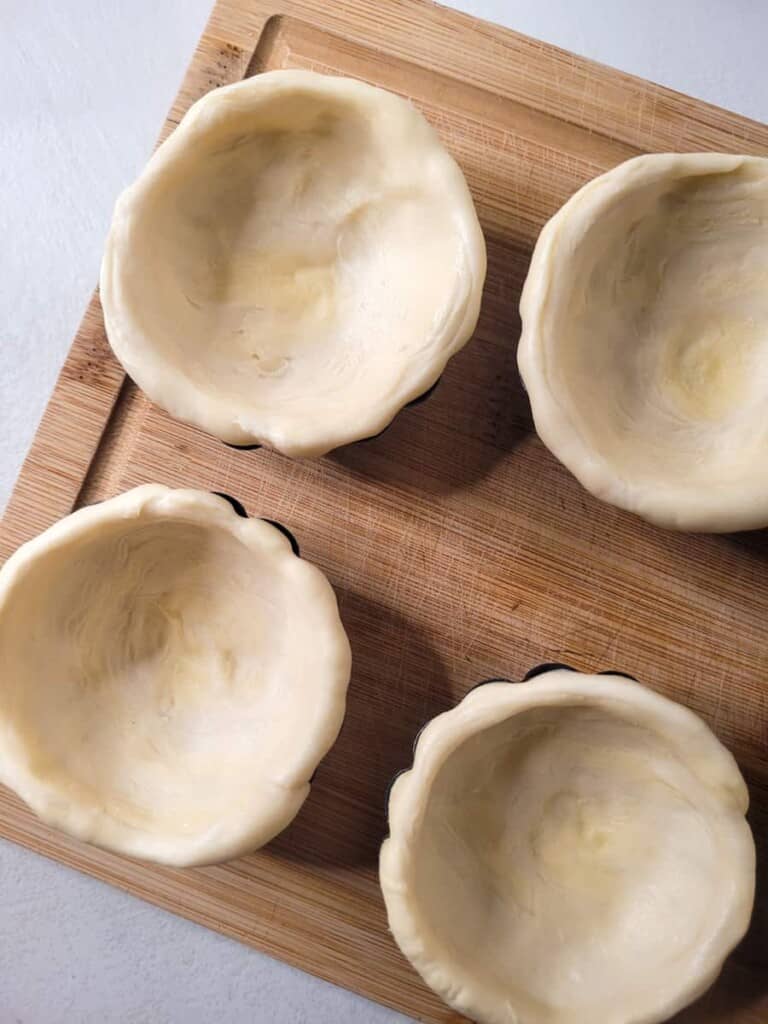
How to Shape Portuguese Egg Tart Dough
What Do I Need to Make Portuguese Egg Tart Filling?
These are the ingredients for making a really good pastéis de nata custard:
- Cinnamon Sticks
- Lemon Peel
- Granulated White Sugar
- Cornstarch
- Whole Milk
- Heavy Cream
- Egg Yolks
- Water
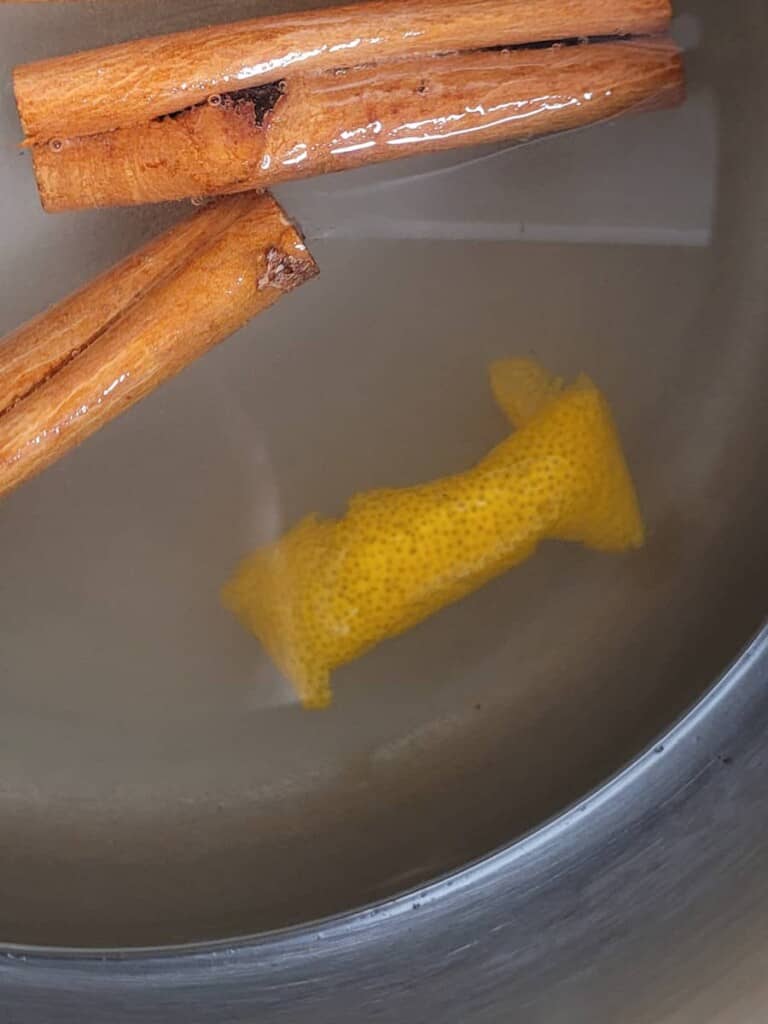
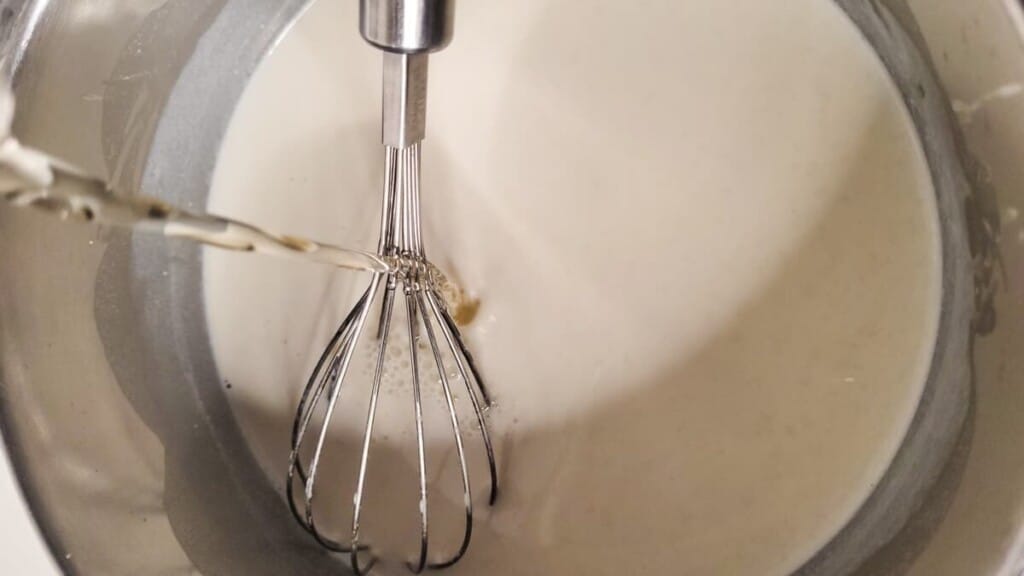
You'll need water and sugar to make a basic simple syrup infused with cinnamon sticks, lemon peel, and vanilla extract. The cinnamon and vanilla add a deep flavor unique to the Portuguese egg tart. Then this simple syrup is poured into a milk, heavy cream, and cornstarch mixture. After that combination, you will slowly temper the eggs with this sugary milk, and finally the entire thing is simmered until slightly thick.
As you can see, we aren't skimping on the fat content. When you bite into a traditional tart, it should almost collapse, just barely holding its shape. It's what makes it so decadent and precious at the same time!
Prepare Pastéis de Nata Filling
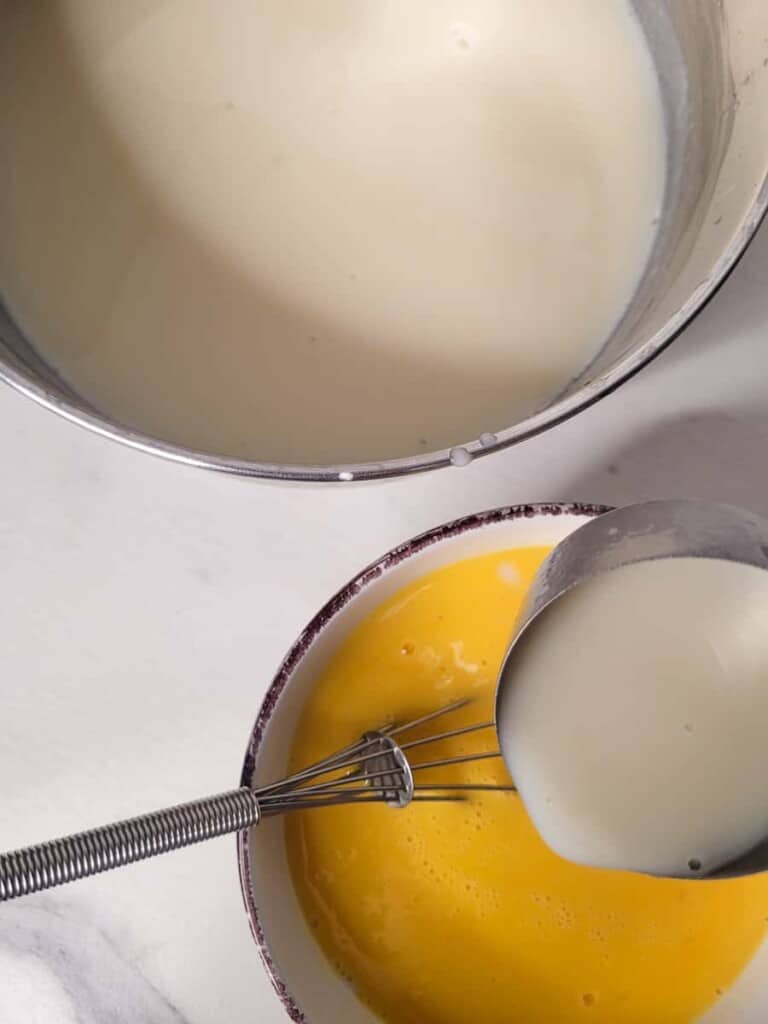
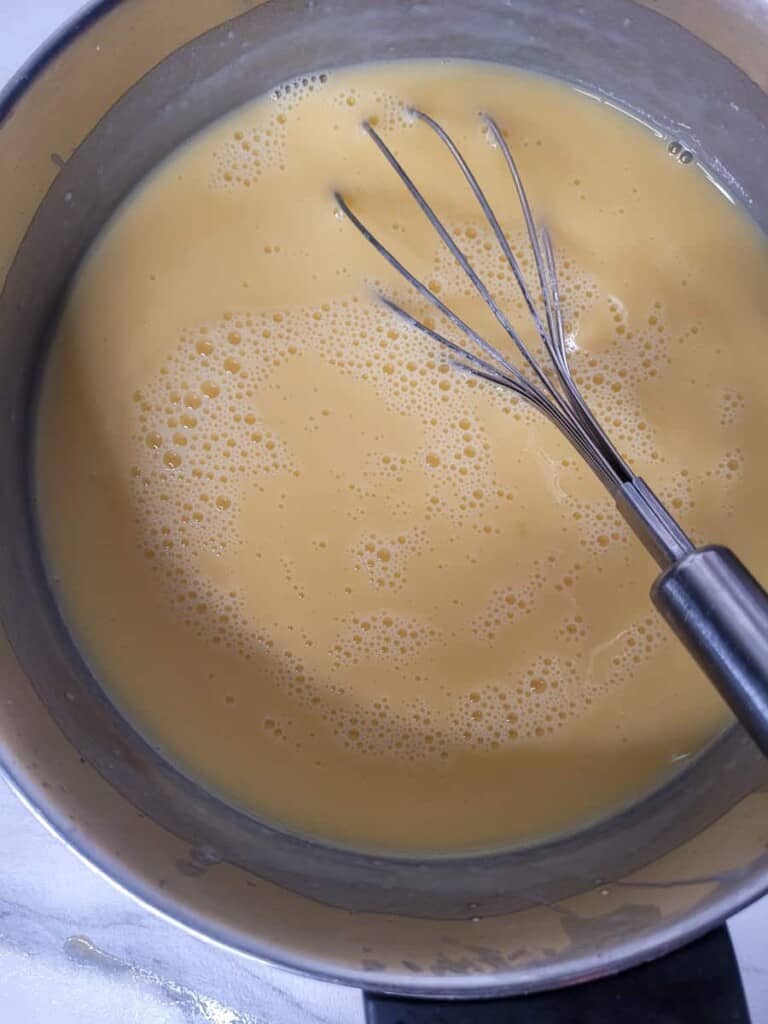
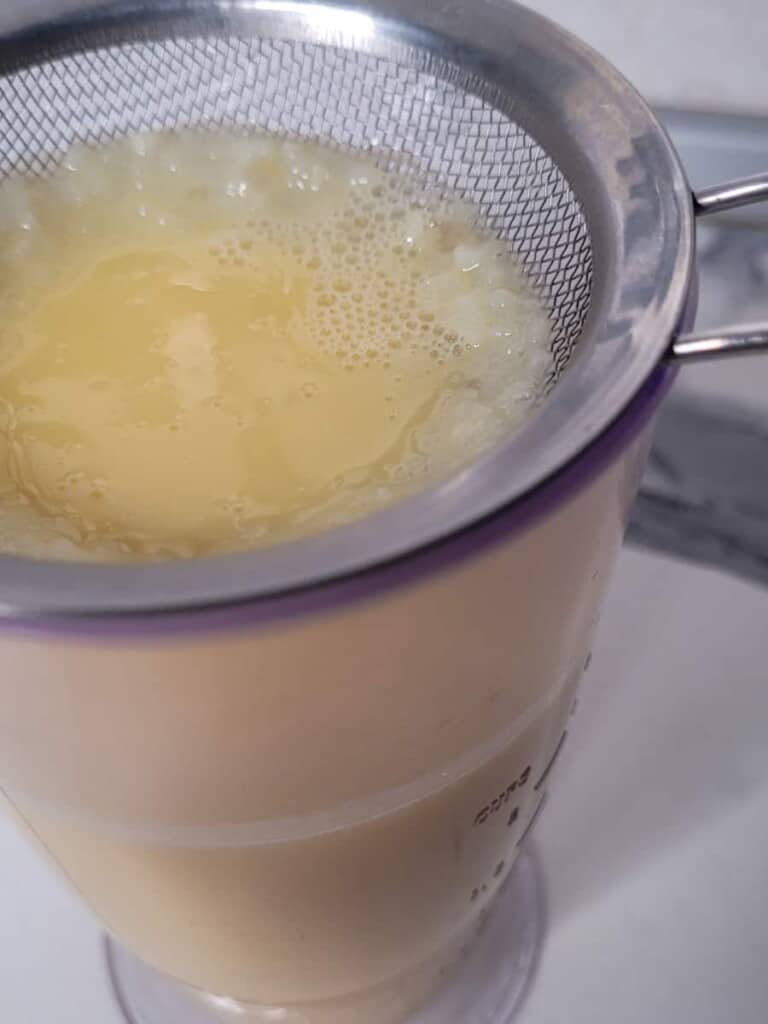
Tips for the Custard Filling
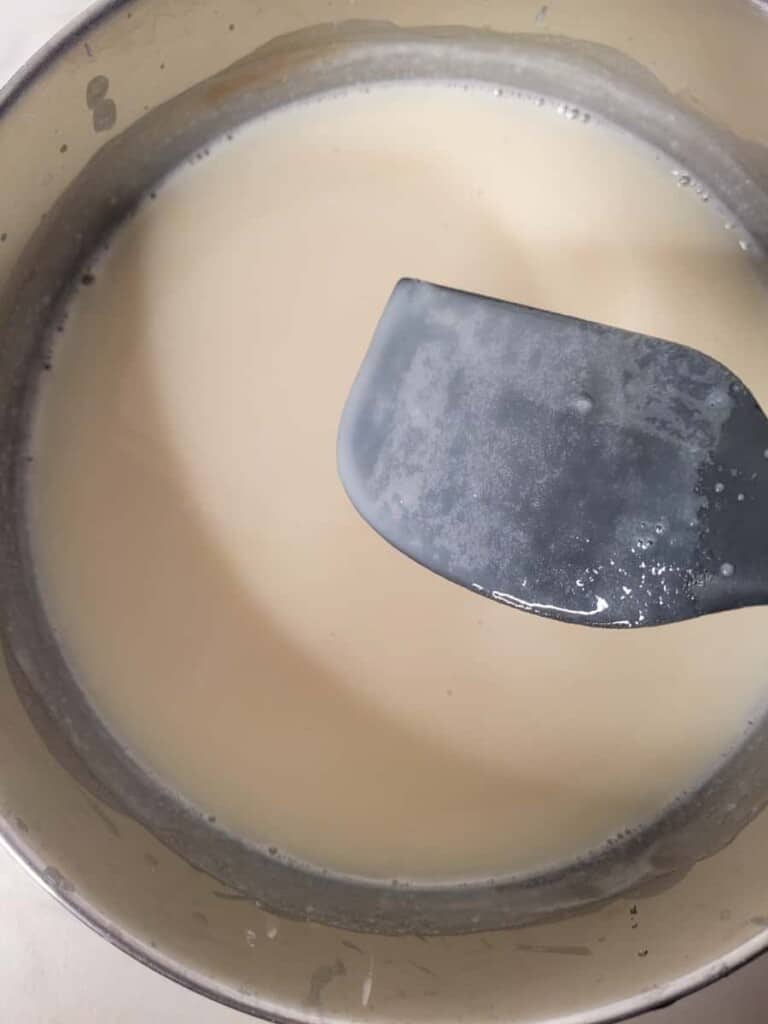
- You may need to scoop the corners of the bottom of the pot to bring up some cornstarch lumps.
- To temper the eggs without curdling, add the milk/sugar mixture ⅓ cup at a time and then whisk. Repeat until the bowl of eggs feel warm, then you can pour the rest of the liquid in while whisking at at the same time.
- Strain the combined egg and milk mix through a sieve to get rid of clumps.
Bake the Tarts
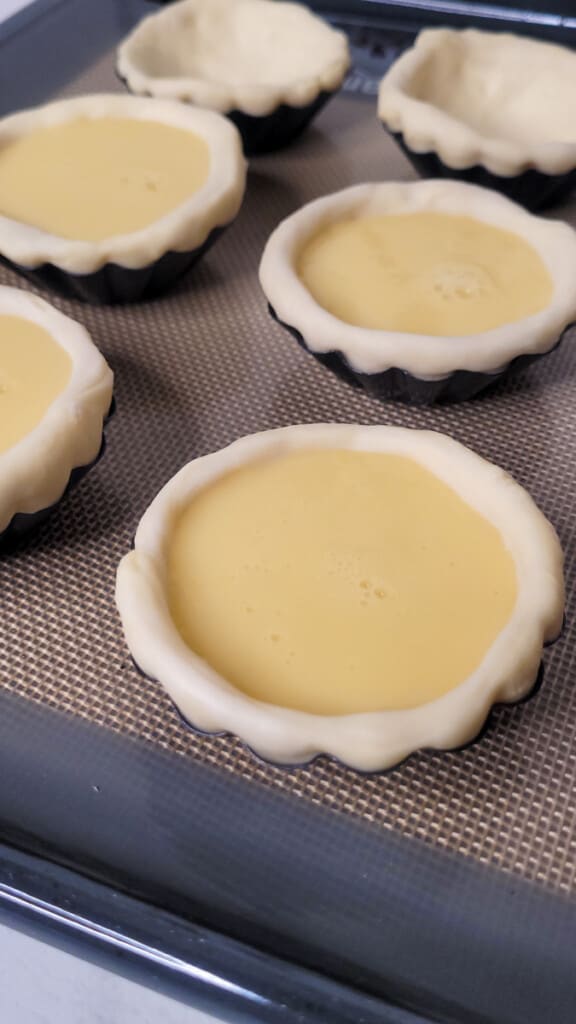
- Preheat the oven to 400°F (~200°C). Just before the oven is fully heated, remove the prepared molds from the fridge.
- Place them on a large lined baking sheet with about an inch or a couple centimeters of space between them.
- Place them on a large lined baking sheet with about an inch or a couple centimeters of space between them.
Place the baking sheet in the oven and cook for about fifteen to twenty minutes. At ten minutes, check the egg tarts to make sure they are bubbly and there is some browning on the surfaces of some tarts.
Tip: Remove or prevent large bubbles on the surface of the raw custard by pouring the liquid low and slow then gently scooping out the bubbles with a spoon.
How to Serve Portuguese Egg Tarts
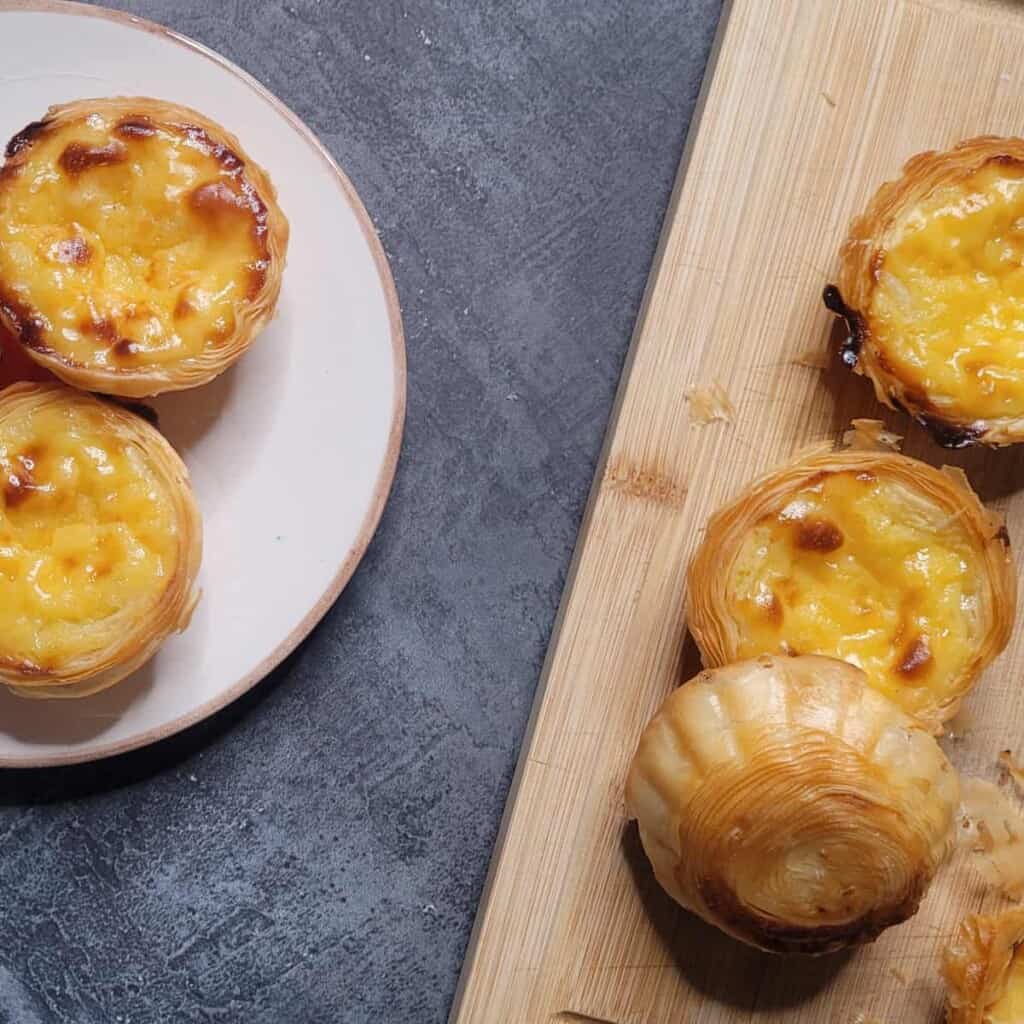
Traditional pastéis de nata should be served with an option of either powdered sugar or cinnamon OR both for topping. Another popular accompaniment for these tarts is galão which is one part espresso with three parts foamy steamed milk.
From my experience, these tarts are labor-intensive. But they are easily stored in the fridge for a few days and reheat quickly - about thirty seconds in the microwave. Once you make some. you've ensured at least a week of sweet starts to your day!
Have You Tried This Recipe?
Simply rate the recipe by clicking on the ⭐️s on the recipe card. Have something to say? Please leave me a comment down below telling me what you think of this recipe.
Bonus: Let me and other readers know what you did to make this recipe your own - 💫 let's inspire each other!
Also, follow me on Instagram [@third.culture.taste] and send me a DM with a picture of what you made. I would love to share and celebrate YOUR creation with our budding community 💞
Check out Third Culture Taste on Pinterest and Facebook for more delicious updates.

Classic Pasteis de Nata - Portuguese Egg Tarts
Disclosure
The equipment and ingredients sections contain affiliate links to products I love to use as well as items that I personally believe make this recipe the best version of itself.
Ingredients
- 1 roll pastry dough or ...
Pastry Dough
- 1⅔ cups all-purpose flour
- ⅓ cup cold water plus 1 tablespoon as needed
- ½ cup unsalted butter
- ¼ teaspoon salt
Filling
- 1½ cups granulated sugar
- 1¼ cups water
- 3 cups whole milk
- ¾ cup heavy cream
- 2 sticks cinnamon
- 1 large lemon peel/zest
- 3 tablespoon cornstarch
- 8 egg yolks
- 2 teaspoon vanilla extract
- pinch of salt
Instructions
Make Dough
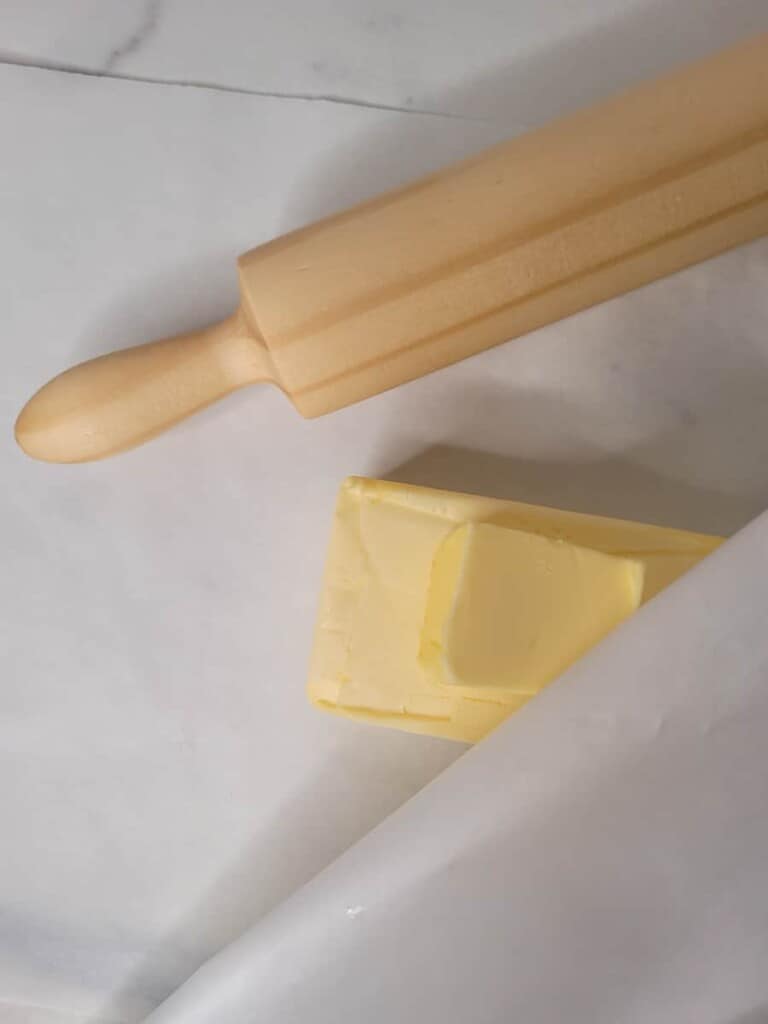
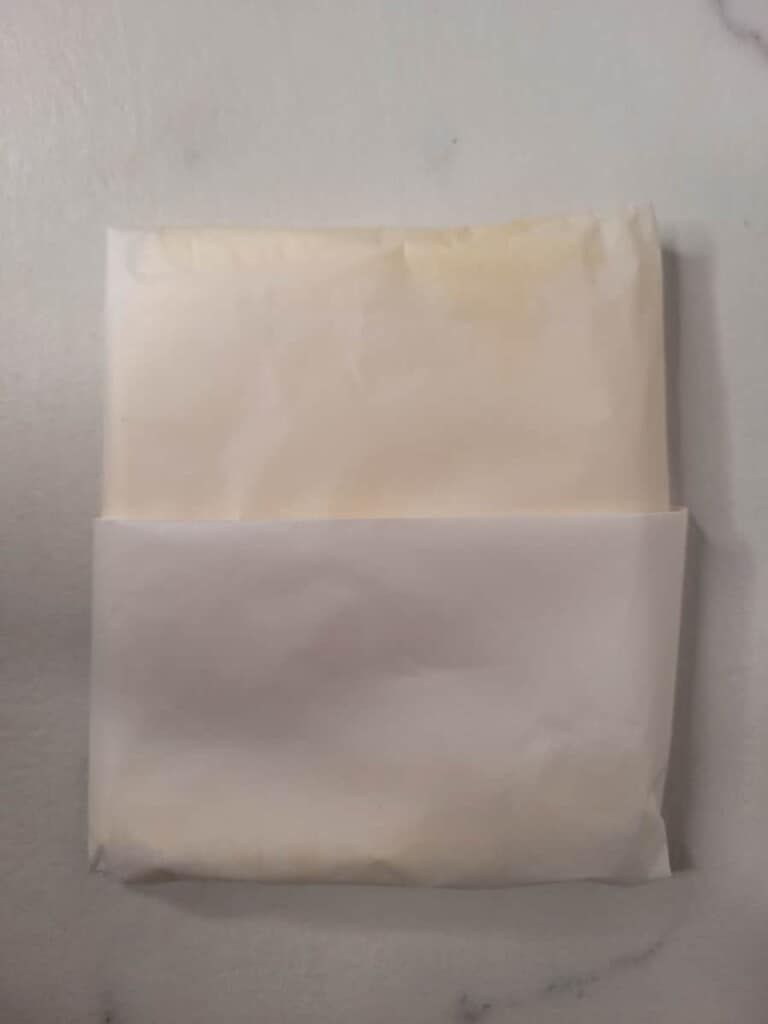
- Take two sheets of wax paper and place butter in between. Roll it to a 6x6 in. square (15x15 cm). Wrap and place in fridge.
- Add flour, salt and water to a large bowl. Mix until you get a shaggy dough then transfer to a flat work surface.
- Knead the dough for 5-8 minutes until you form a smooth ball. Wrap and place in fridge for 15 minutes.
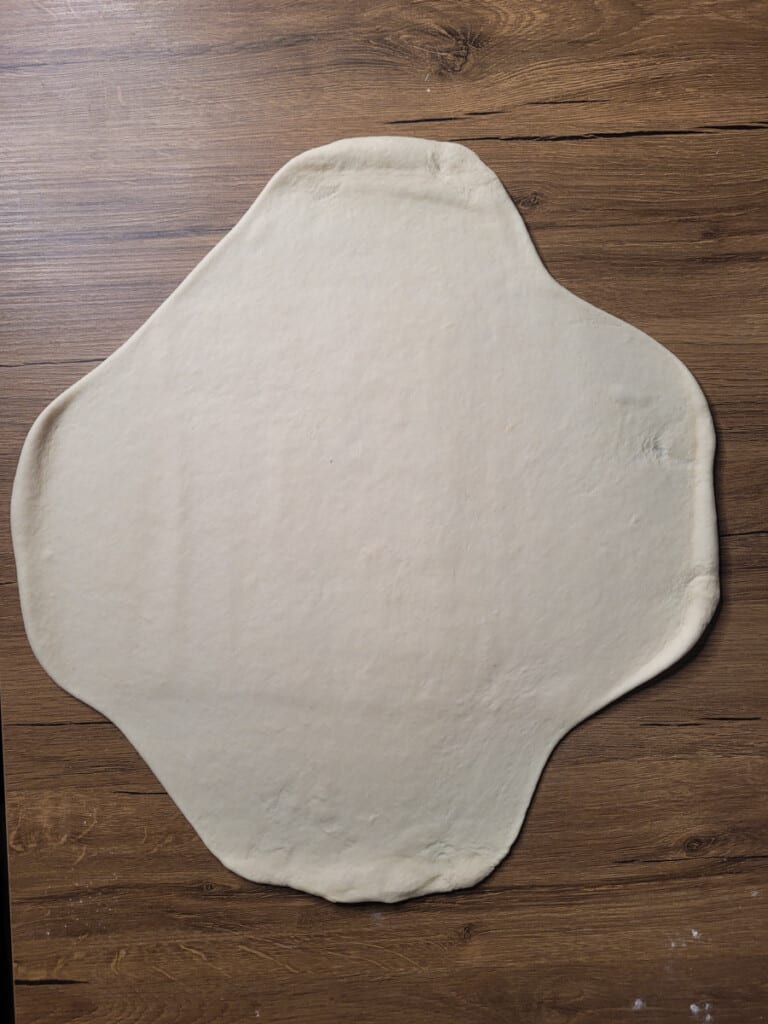
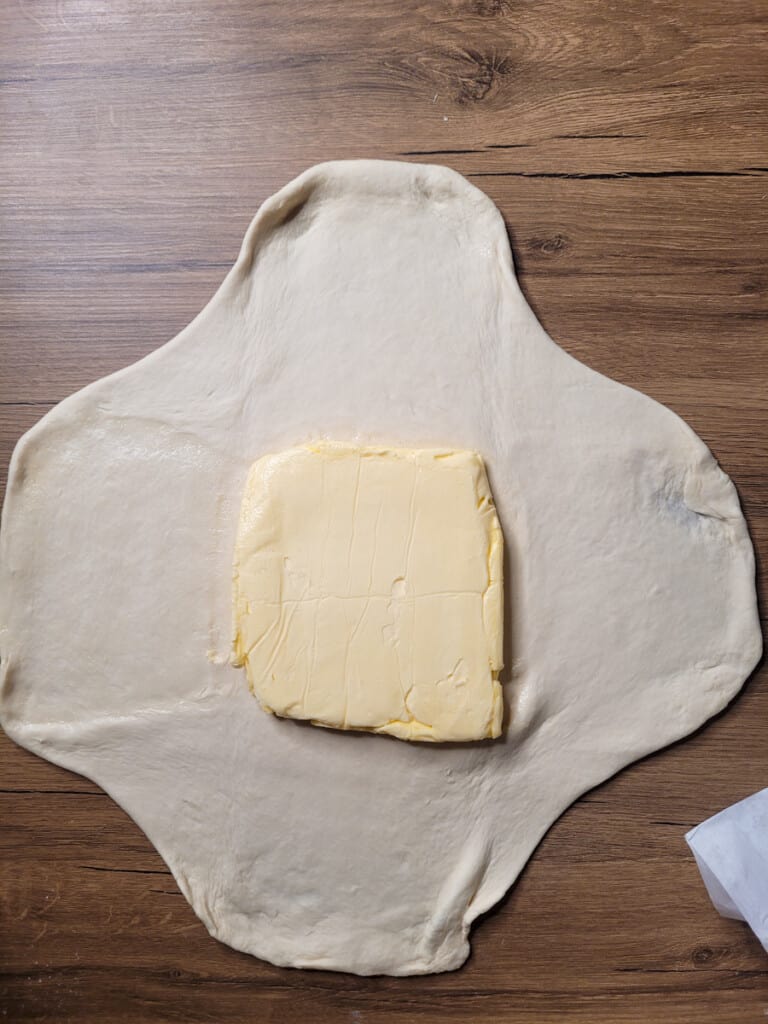
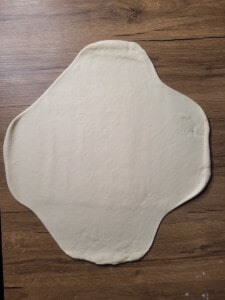
- Roll out the dough on a lightly floured surface and make a cross with a center large enough for butter slab.
- Add the butter slab to the center then fold the flaps over it.
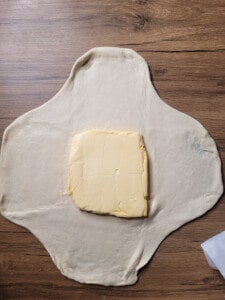
- Flip upside and place in the fridge to chill for 20 mins
- Remove from the fridge and roll it out to a 6x14 in. rectangle (15x36 cm).
- Make sure to have a long side facing you before you fold. Envision 3 equal sections and fold the left side over the middle then fold the right side over the first fold.Turn the dough quarter turn to the right and the open edge should be facing up.
- Repeat the step above and then cover the dough then chill it for another 20 mins.
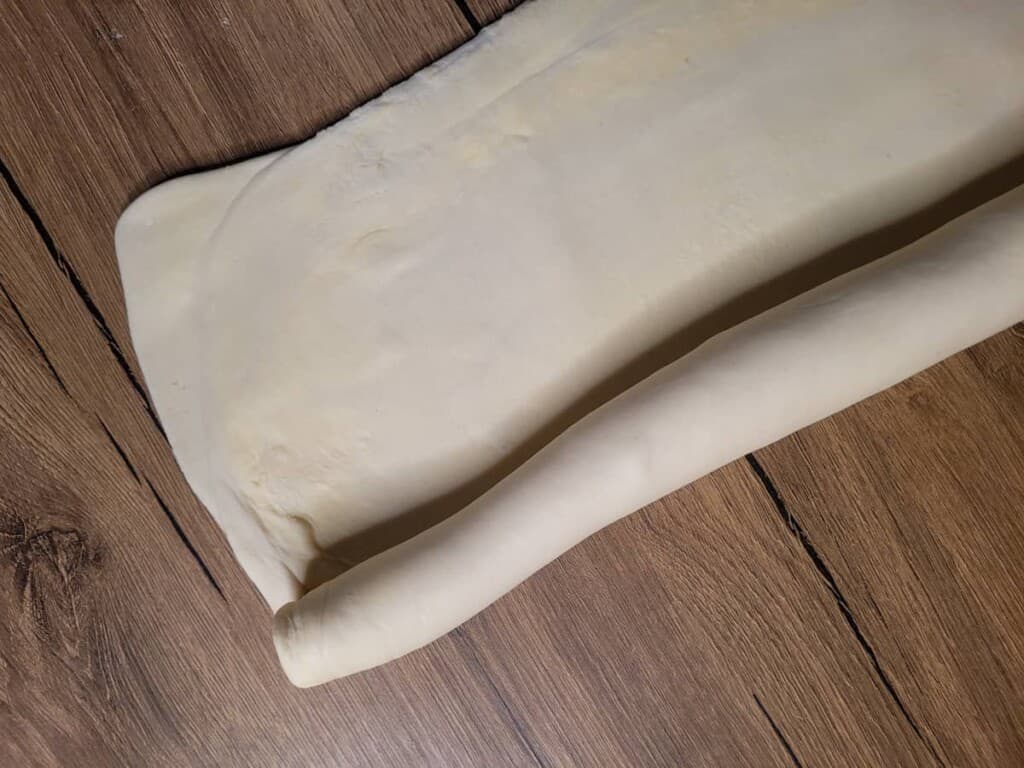
- Roll out the dough to a 8x12 in. rectangle (20x30 cm). Pinch a long end to start the rolling process.
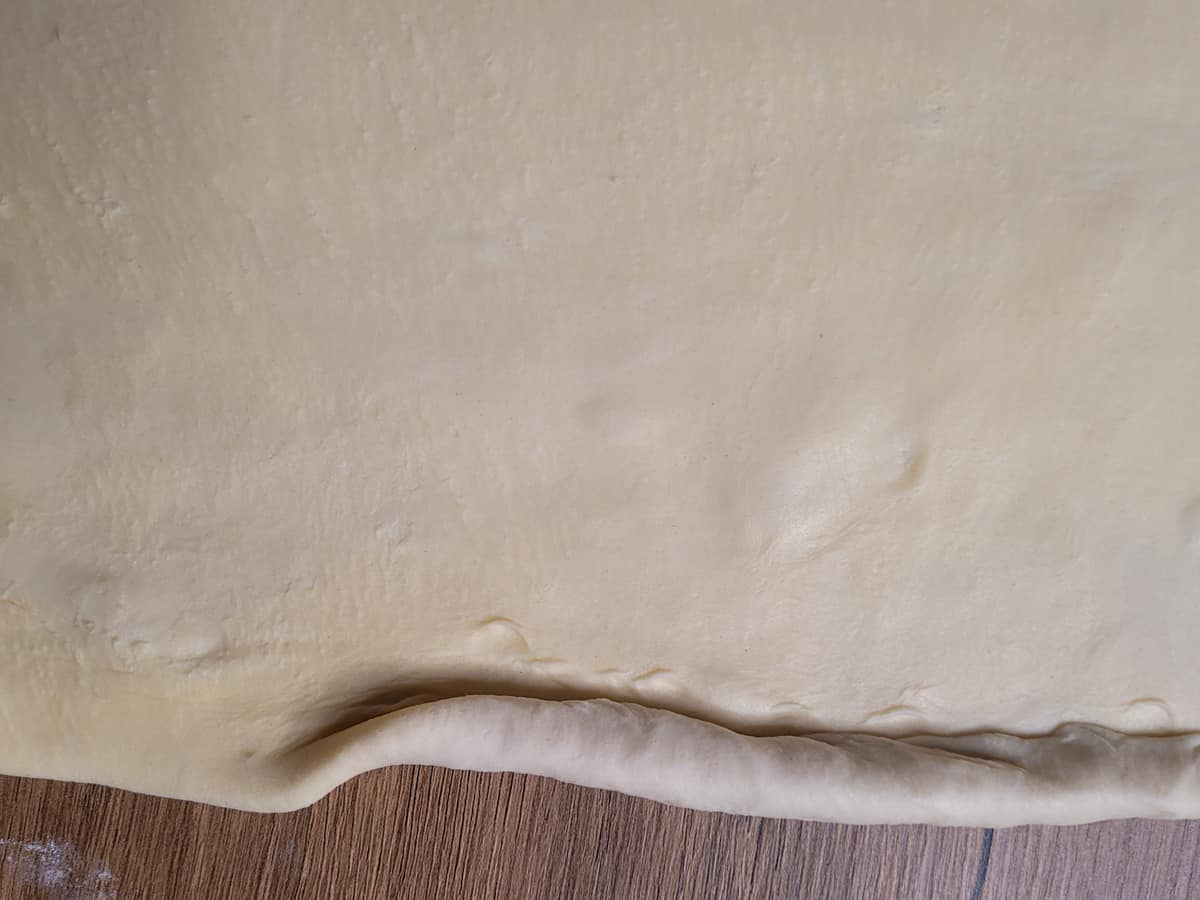
- Roll the dough until you reach the other long end.
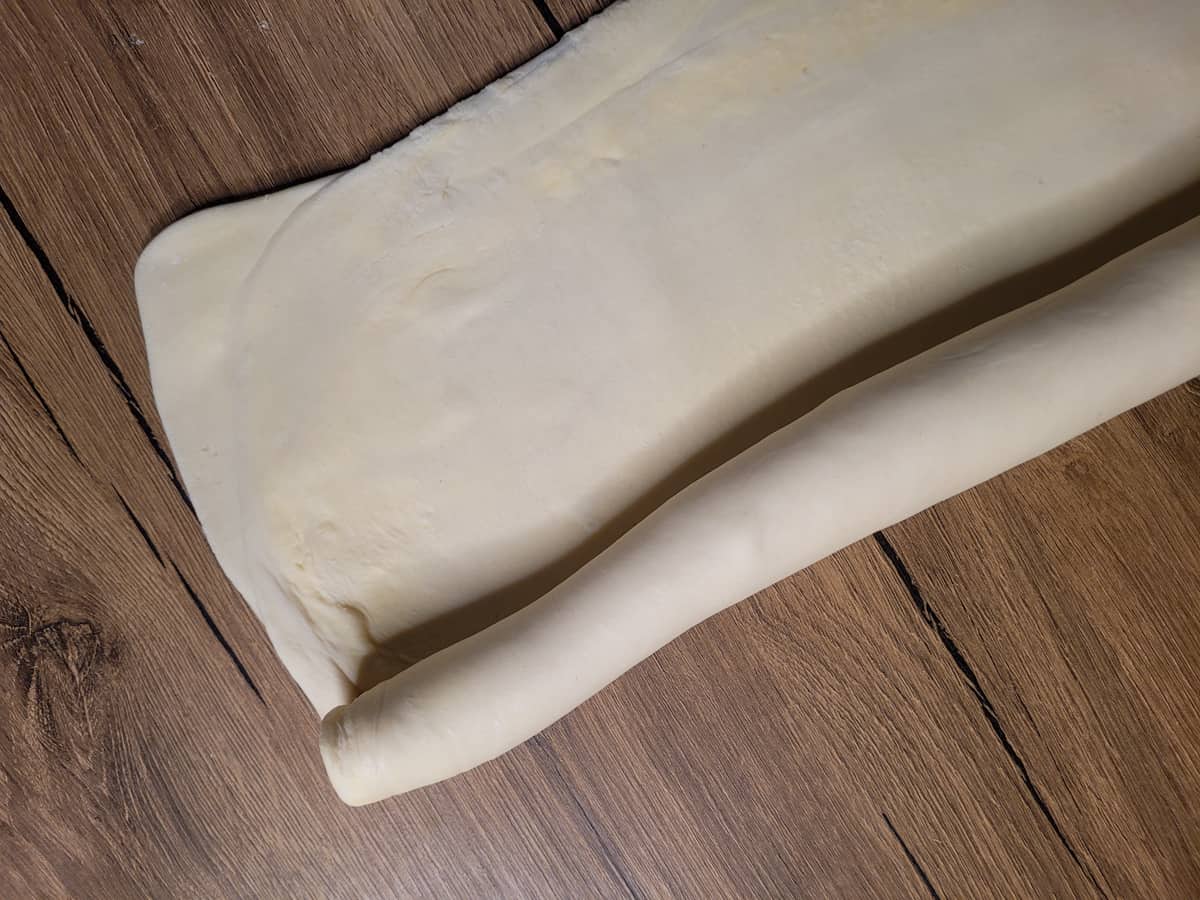
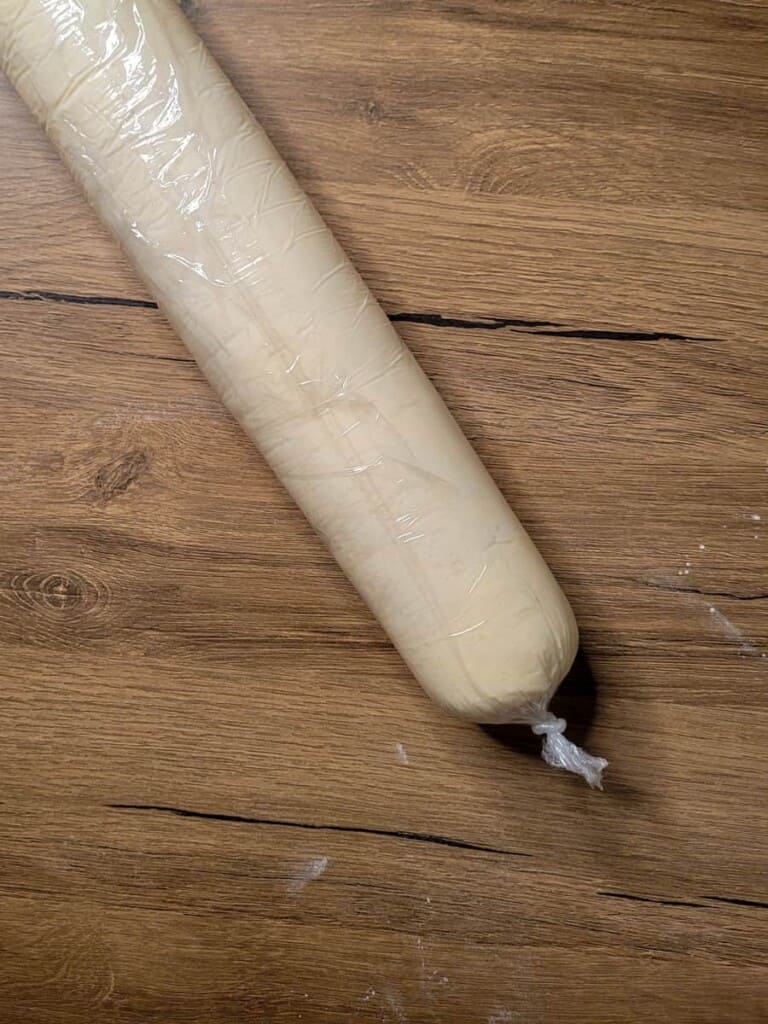
- Wrap and chill for at least 1 hour.
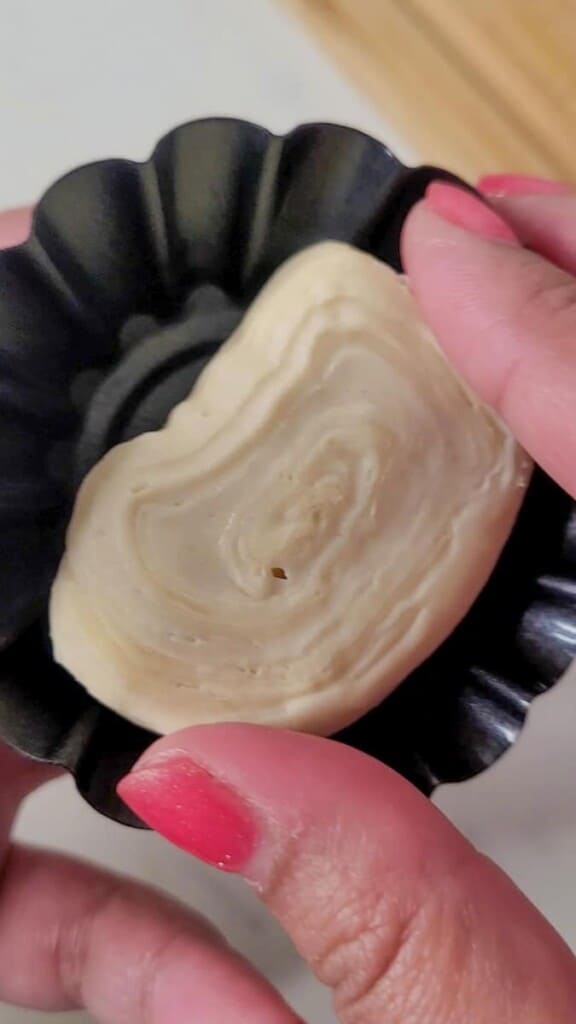
- Slice evenly sized pieces of the log and place each one into a tart mold
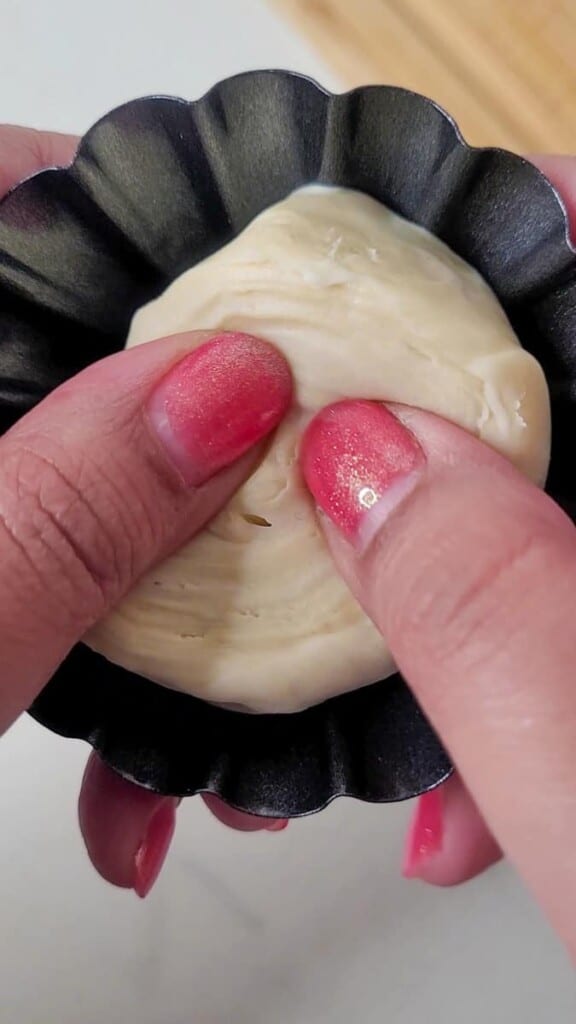
- Press down on the dough with your thumb and shape to the mold.
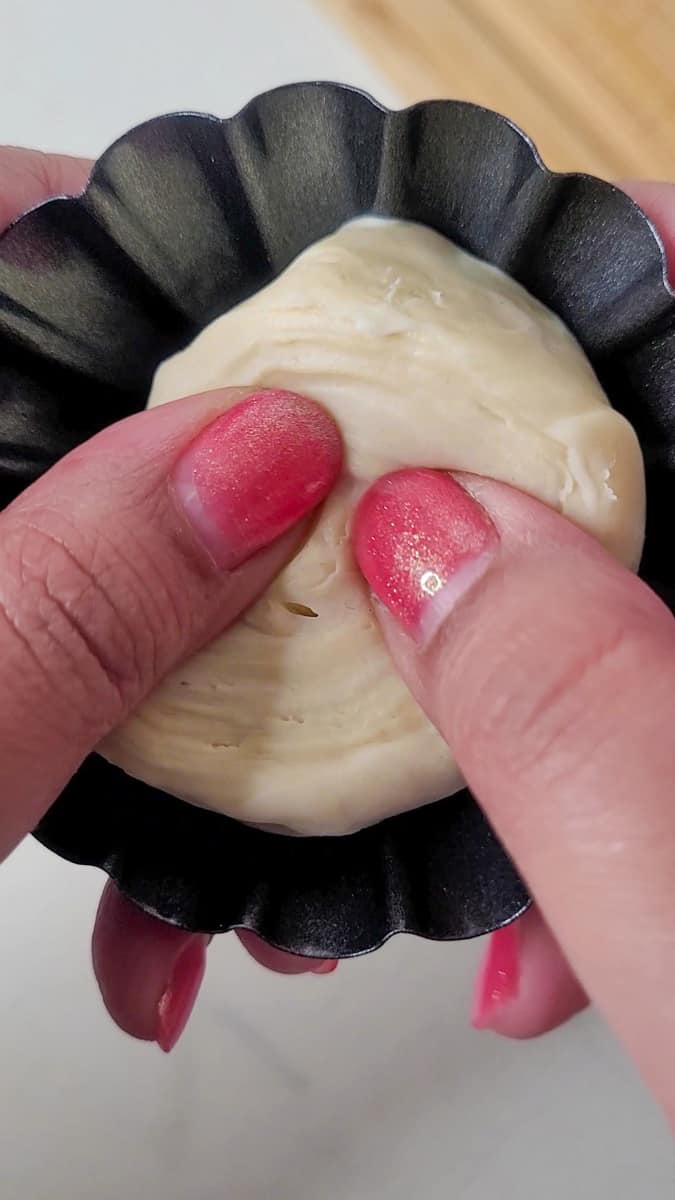
- Place the prepared molds in the fridge until ready to use.
Make Filling
- Make the liquid sugar. In a pot add sugar, water, cinnamon sticks, and lemon zest.
- Place on medium low heat and stir as it cooks. When all sugar has melted remove from heat, stir in vanilla extract until dissolved, and set aside to cool.
- Make the milk mixture. In a pot, add milk, heavy cream, and cornstarch. Mix until there are no clumps and mixture is smooth.
- Remove the cinnamon sticks and lemon zest from the liquid sugar. Pour the sugar syrup slowly to the pot of milk as you whisk.
- Place the combined mixture on medium low heat and stir as it thickens. Once the liquid coats the back of a spoon, remove from the heat. Let cool for 10 mins.
- Crack and separate the egg yolks in a bowl.
- Add about a ⅓ cup of the mixture to the egg yolks and whisk. Repeat until the egg yolks are warm.
- Add the mixed egg yolks to the rest of the milk sugar in the pot and whisk vigorously to keep the egg from scrambling. Then strain into a container through a sieve.
Bake Tarts
- Preheat oven to 400°F (200°C ).
- Remove prepared tart molds from the fridge.
- Add some filling (about 50-60 grams if using a scale) to the tarts by carefully pouring into each mold. Leave a centimeter space from the edges.
- Bake for 15-25 mins until tops have scorch marks until the middle is just slightly jiggly.
- Cool on the counter for 10 mins before removing from mold.
- Serve with powdered sugar and cinnamon powder

I'm definitely going to try this out (I love making laminated pastry doughs lol). Do you think a standard muffin tin would be a good substitute if I don't have the small tart molds?
Homemade laminated dough absolutely pays off 😉 Yes, muffin tins work - the tarts may end up a bit deeper, but you'll have more room for filling!