
Traditional Meat Khinkali Recipe (Georgian Soup Dumplings)
This traditional meat mtiuluri khinkali (Georgian soup dumpling) recipe takes inspiration from the mountain villages that these dumplings originated from. The filling is soupy and well-seasoned with some heat from crushed chili flakes, while the dough is a simple combination of water and flour.
Jump to:
Why Mtiuluri Khinkali?
Traditional khinkali came from the mountain regions of Georgia where they were adapted from the Mongolian empire. The dumplings are built with humble elements of meat, water, and spices found in the mountains. Originally, the meat was based on chopped lamb, but later on a combination of pork and beef became the standard choice.
After several generations there are now many versions of khinkali across Georgia, each one with a distinct name. The simple meat khinkali, now dubbed mtiuluri (meaning "mountainous"), is an indication on khinkali restaurant menus that the filling is the classical version.
Ingredients
The authentic Georgian soup dumpling recipe doesn't require a lot of ingredients. See the list below for what it takes to make mountain-style Georgian dumplings.
- All-Purpose Flour
- Water
- Salt
- Blend of Ground Beef and Pork
- Red Chili Flakes
- Cumin
- Pepper
- Onion
- Garlic
Substitutes
- Water (for the meat mixture only): You can use any type of broth instead of water to add to the meat mixture to create a more flavorful soup.
- Cumin: Although they are more difficult to find, ground caraway seeds are also an authentic choice for khinkali recipes in place of cumin.
- Red Chili Flakes: Red pepper powder also works to add some heat to the meat mixture.
- Ground Pork: For an even more classic recipe, you can use ground lamb to incorporate with ground beef instead of pork.
Khinkali Recipe Tips
- Use Cold Water: Khinkali are boiled dumplings, so you need to make a sturdy casing that doesn't break in hot water. In order to do this, you need to use cold water in the khinkali dough recipe. The cold water creates more gluten development making an elastic, chewy dough that can withstand boiling water.
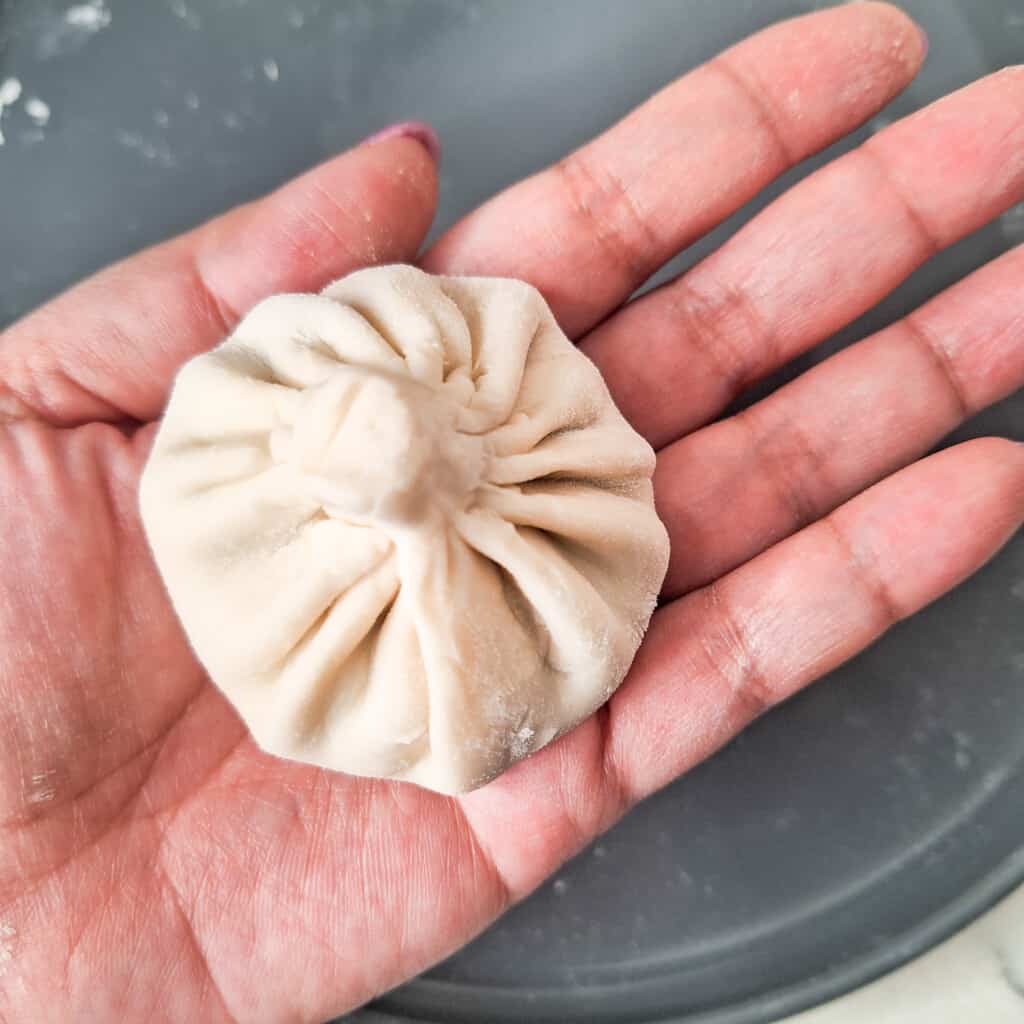
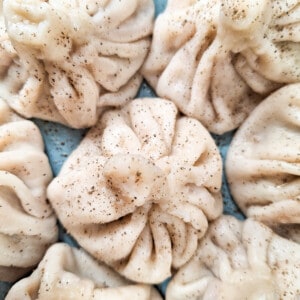
- Making Pleats: Most people will say that khinkali must have either nineteen or at least thirteen pleats. But this is quite a discussion point among Georgians, so I encourage them to make a comment on this post! But don't let this topic stop you, aim for a number between thirteen and nineteen folds.
- Use Fatty Pork: The higher fat content will create a lot of moisture making the filling even juicier while you boil the khinkali. The fat will melt in the hot water making the soup tastier!
- Always Taste Test: You can put about a teaspoon of the filling on a small plate and microwave it for about 30 seconds or until fully cooked to check the taste. Adjust the seasonings to your preference.
How to Make Traditional Meat Khinkali
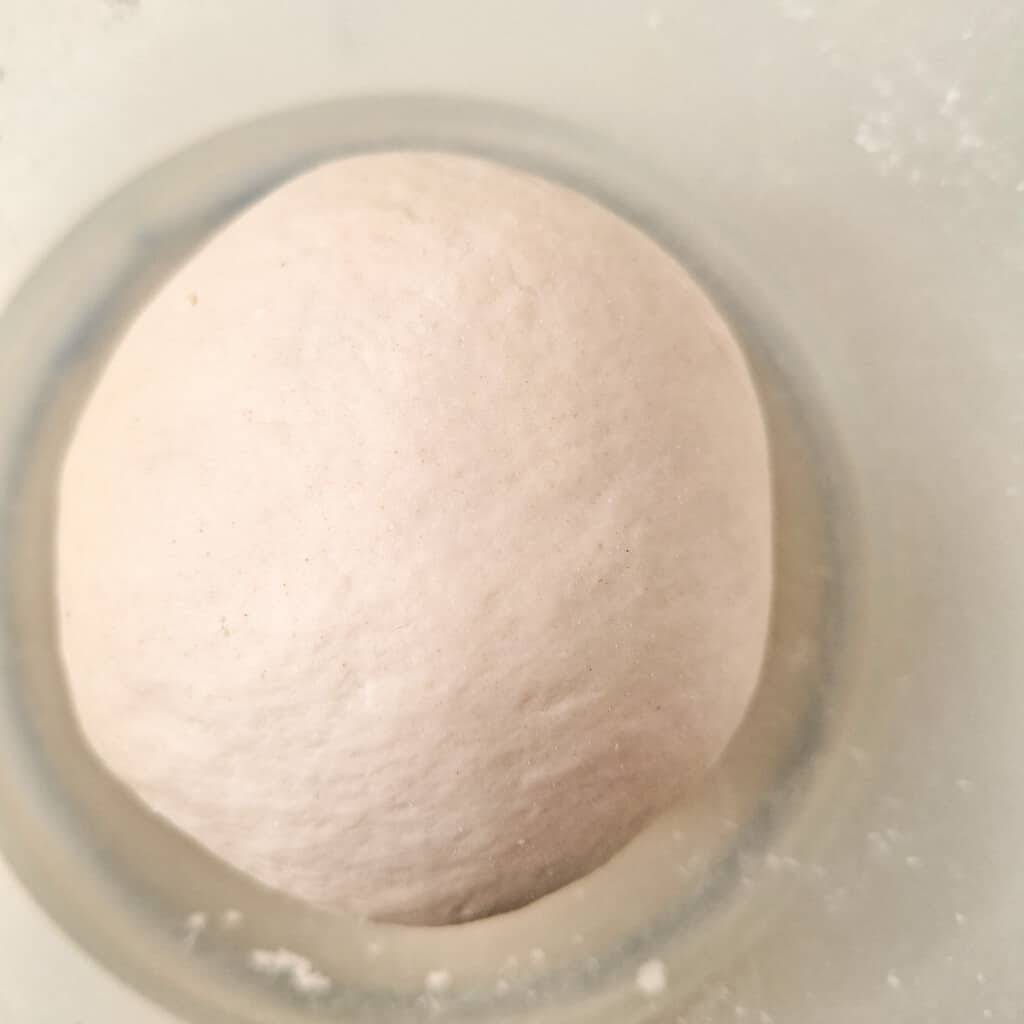
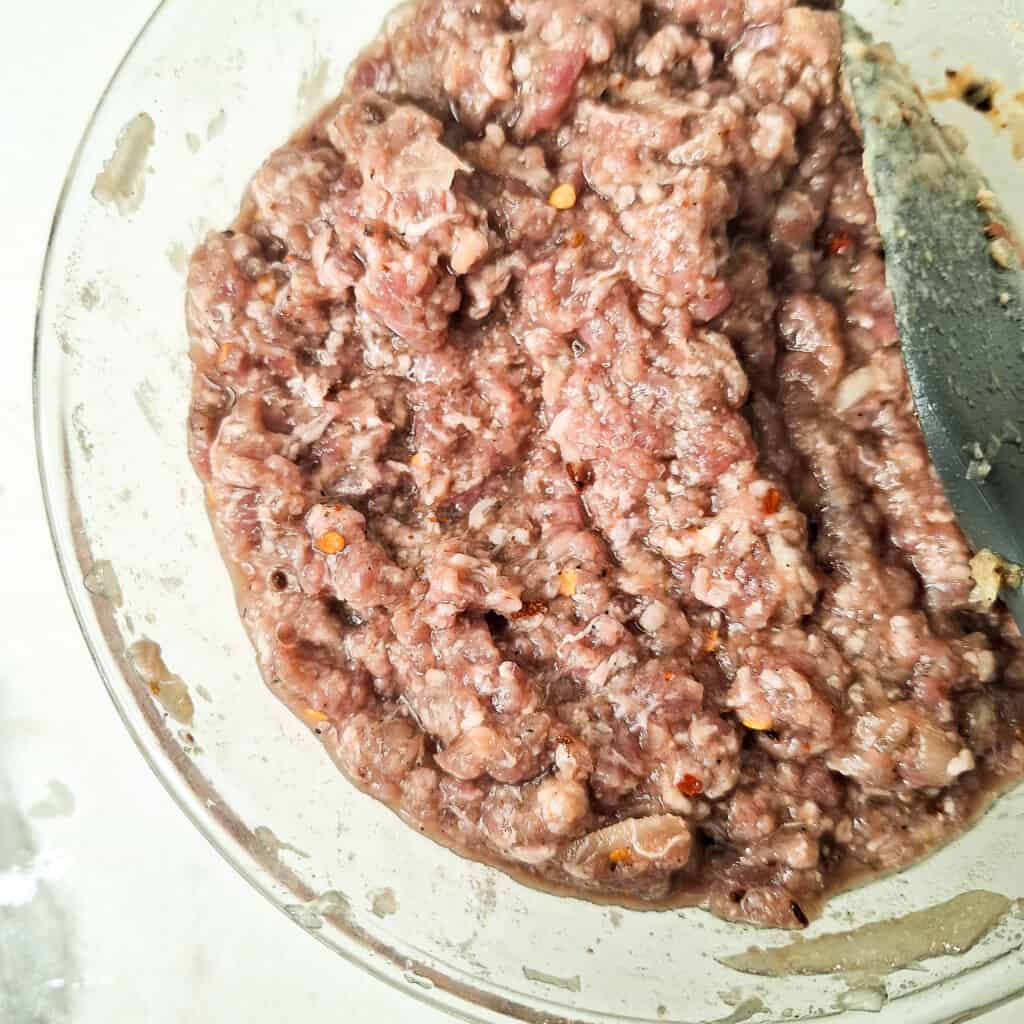
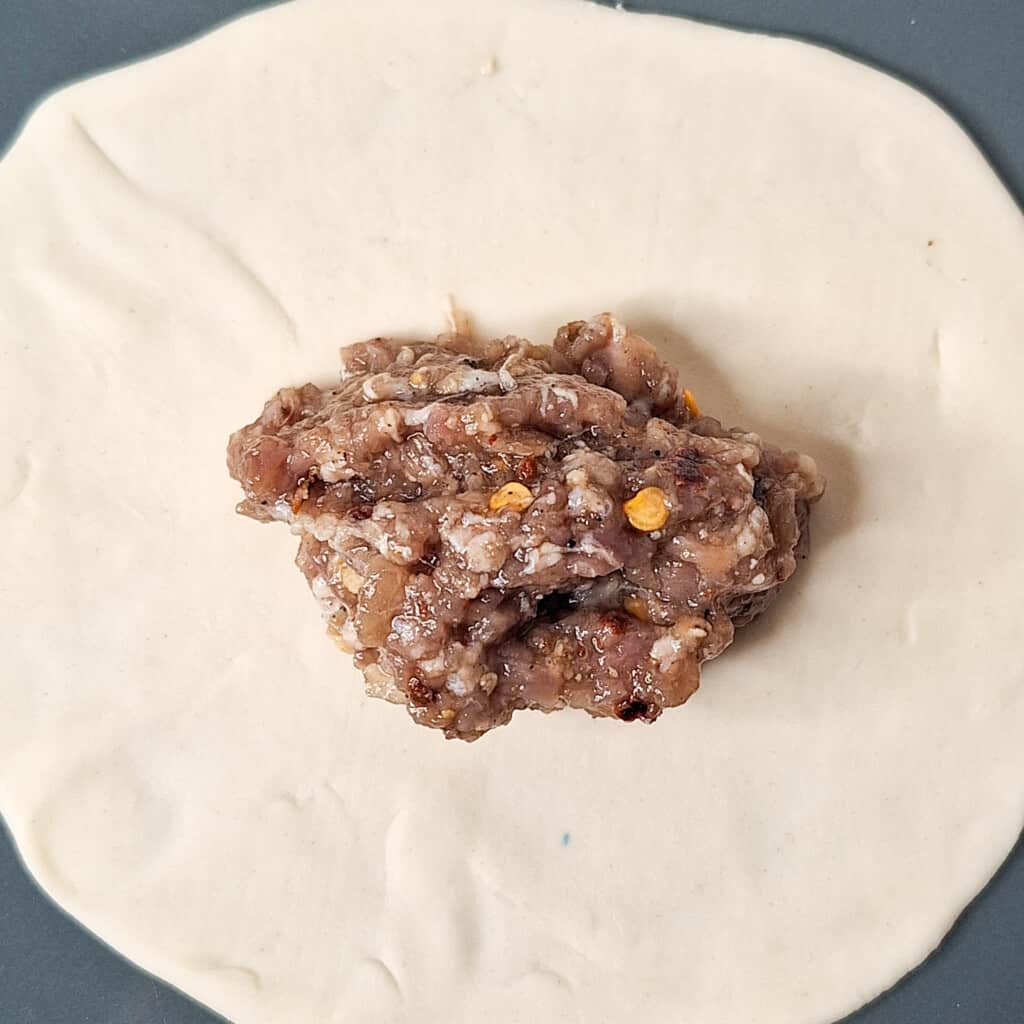
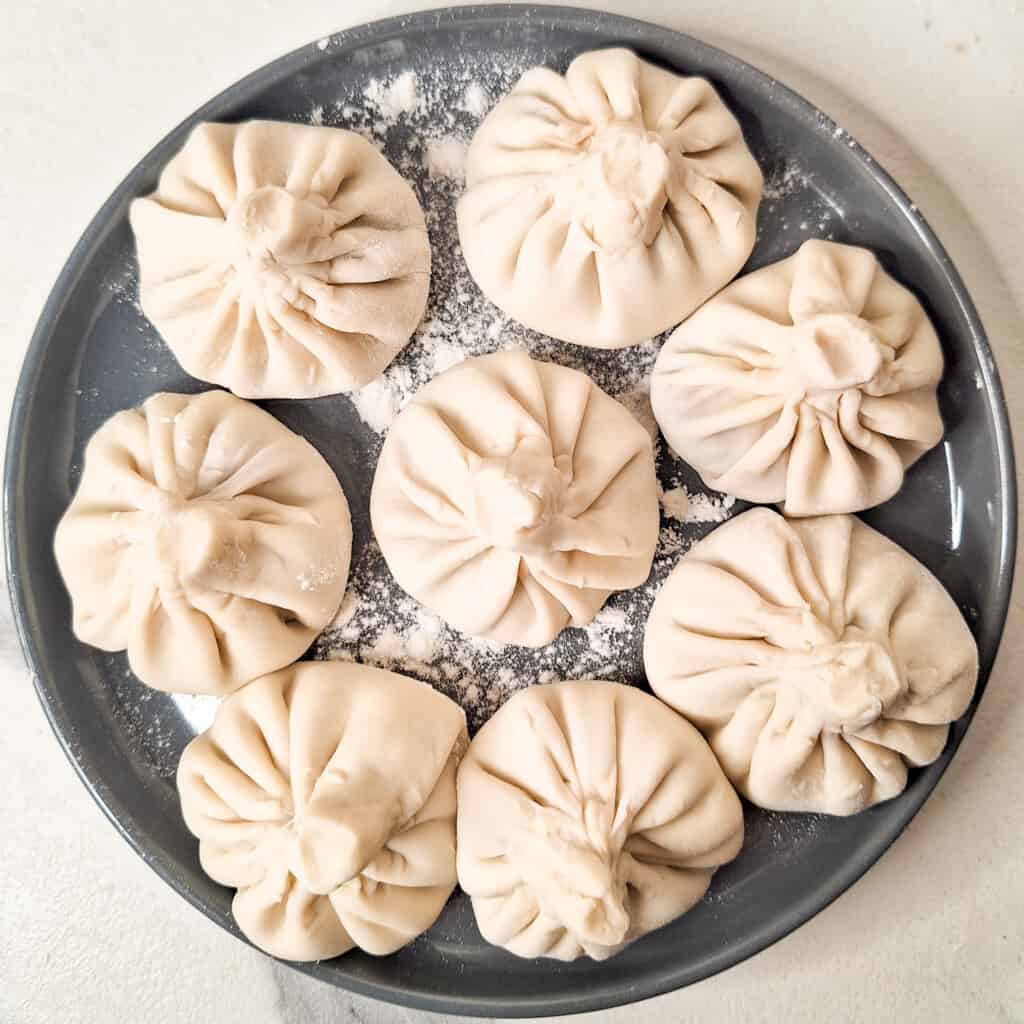
Here a quick overview of what you would need to do:
- Make the khinkali dough by combining flour, salt, and cold water
- Make the filling by mixing all the ingredients in one bowl
- Roll out the dough to large circles
- Assemble the dumplings and make pleats
How to Cook Khinkali
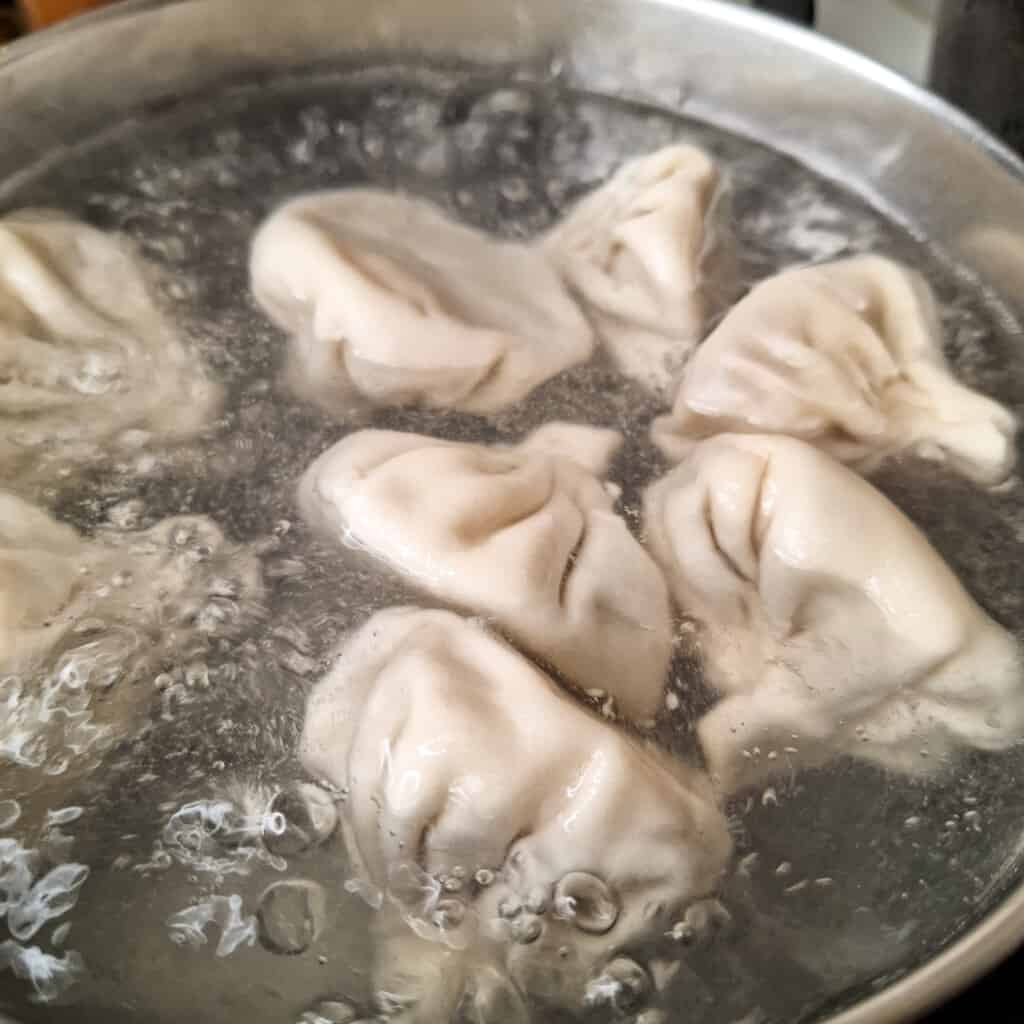
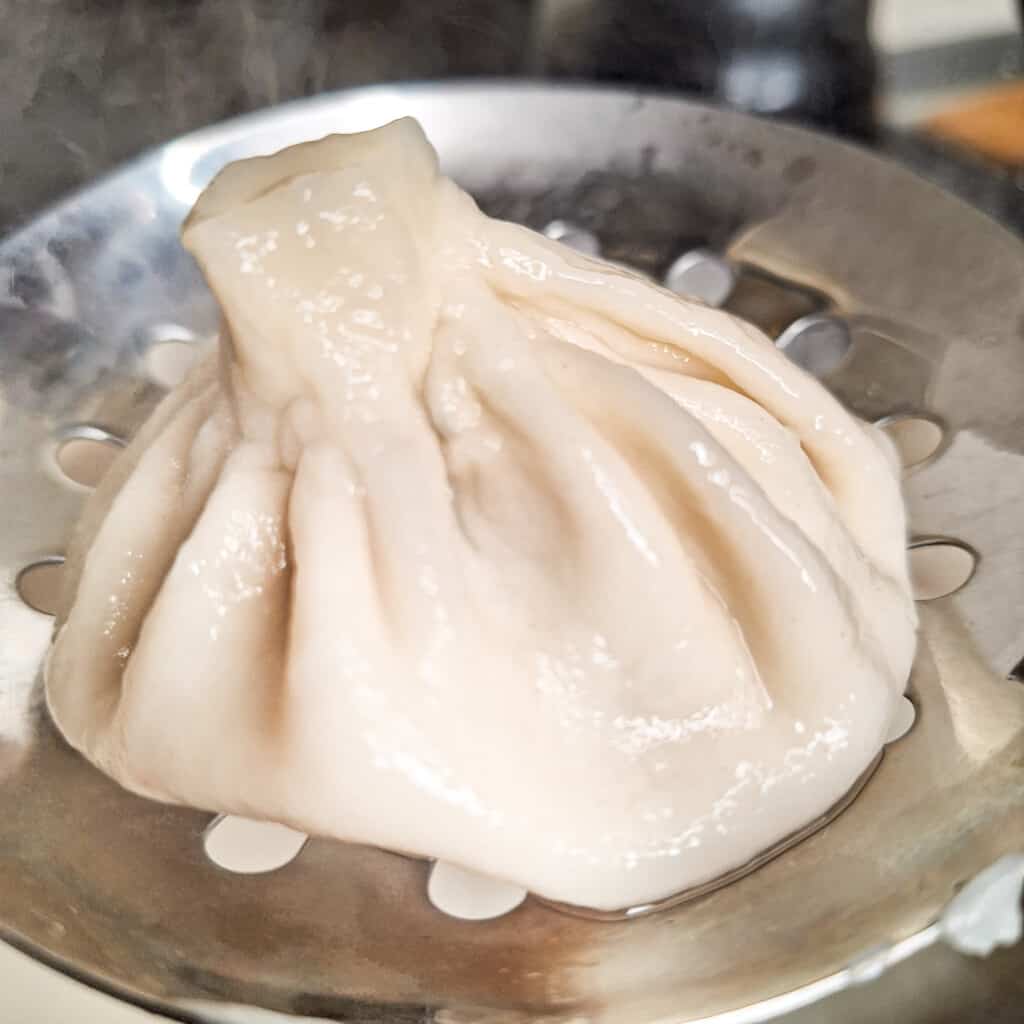
You need to fill a large pot with water and set it on the stove. Bring the water to a boil before adding khinkali. Only add a few dumplings at a time so they have room to swim and do not stick together.
You will notice that the dumplings will sink, but all you have to do is stir the water gently so they do not stick to the bottom of the pot. Boil the khinkali for a few minutes, and you will notice they will float to the top. This means they finished cooking; which should take about five minutes to seven minutes depending on the heat.
How to Eat Georgian Soup Dumplings
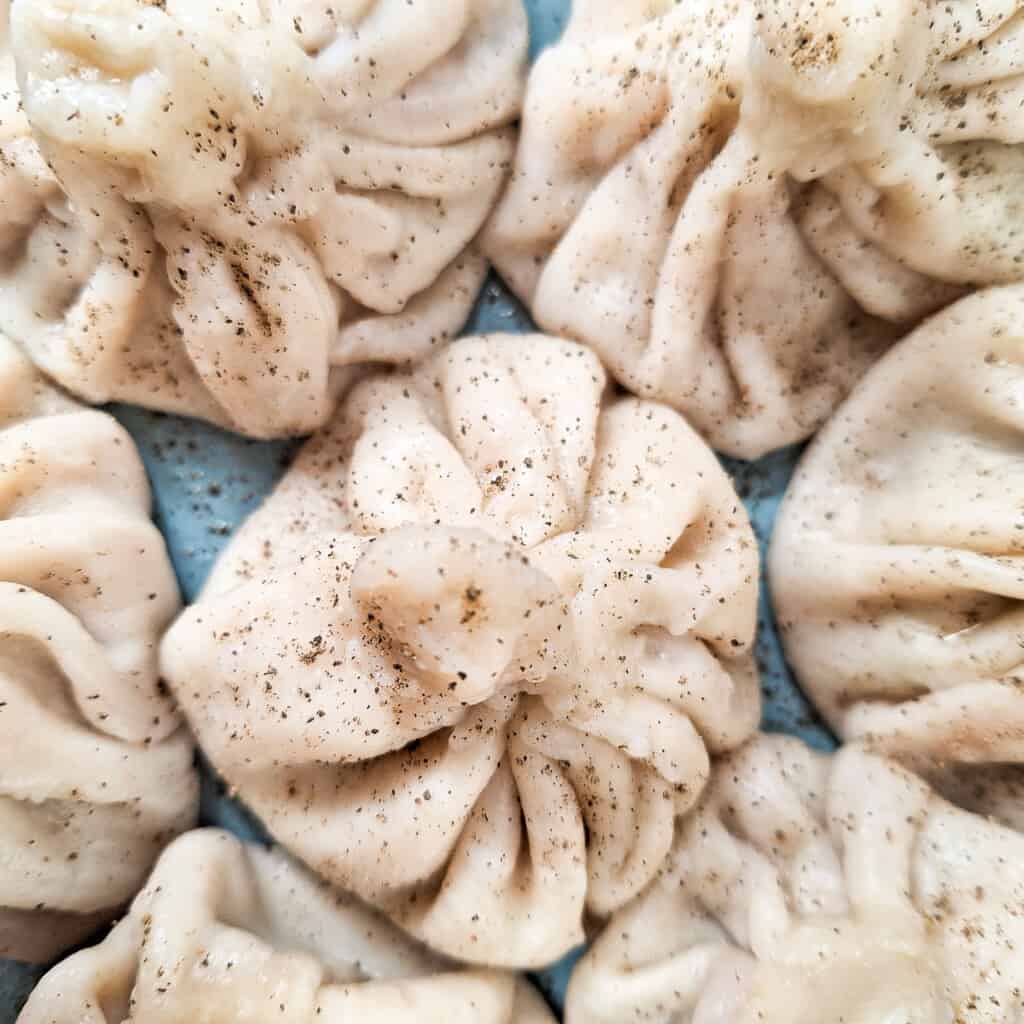
- Let the dumplings cool before touching with your hands.
- Add some ground pepper powder on the dumplings.
- Pick up the khinkali by the kucha ("stomach") or stem.
- With three fingers holding the stem, turn it upside down.
- Bite a small hole along the corner and suck out the soup.
- Continue eating the filling and dough, except the stem.
- Leave the stem right side up on your plate.
Don't forget to eat these Georgian soup dumplings with a cold glass of beer! You can also try to make an easy veggie side dish of soke kecze (Georgian stuffed mushrooms) to go along with this meaty meal.
Nowadays, Georgian dumplings have a lot of different fillings. For those who do not eat meat, mushroom, potato, and cheese fillings are available throughout Georgian restaurants serving khinkali.
Traditionally, you don't eat the tops, but plenty of people do anyway! You'll find some khinkali with smaller stems which you can eat in one bite.
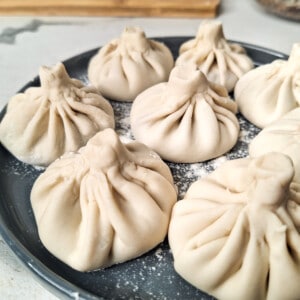
Yes, you can freeze khinkali. Once you assemble the khinkali, place uncooked pieces on a baking sheet lined with parchment paper and sprinkled with flour. Then freeze them for at least one hour. Place the frozen khinkali in a freezer bag to store them for a longer time in the freezer.
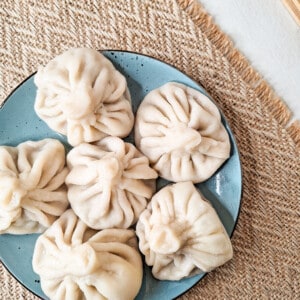
Traditional Meat Khinkali (Georgian Dumplings) Recipe
Disclosure
The equipment and ingredients sections contain affiliate links to products I love to use as well as items that I personally believe make this recipe the best version of itself.
Ingredients
Khinkali Dough
- 4.5 cups all-purpose flour
- 1½ cups water cold
- 2 teaspoon salt
Meat Khinkali Filling
- ½ lb ground pork
- ½ lb ground beef
- 2 teaspoon salt
- 1 tablespoon chili flakes add more if you want it spicier
- 1 teaspoon black pepper powder
- ½ teaspoon powdered cumin
- 1¼ cups water room temperature
- 1 large onion grated or minced (it should be a bit juicy from the grating/mincing)
- 6 cloves garlic grated
- 1 teaspoon beef bouillon powder optional
Instructions
Make the Dough
- Combine salt and flour to a bowl and mix. Add the water and stir with a spatula until shaggy.
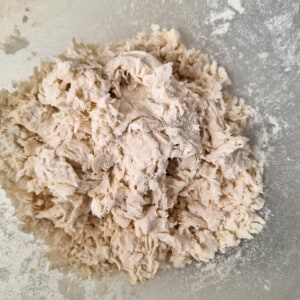
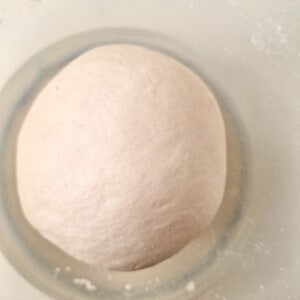
- Place the dough on a lightly floured surface and knead nonstop for 6-8 minutes until smooth. Then put the dough back in its bowl and cover tightly to let it rest for 30 minutes.
Make the Khinkali Filling
- Add the meat and seasonings minus the water. Stir until well combined.
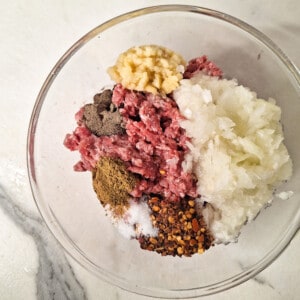
- Add half a cup of water and stir slowly until the water disappears. Repeat this step two more times.
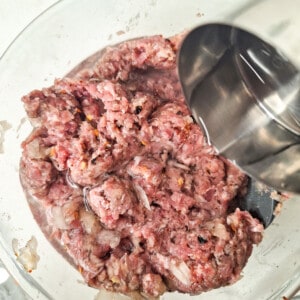
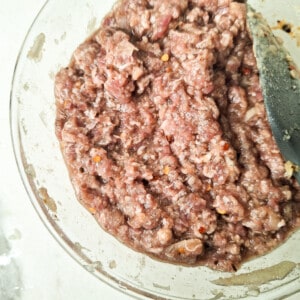
- The meat should have absorb all the water and will look almost gelatinized. If you shake the bowl, it will be jiggly.
Assemble the Khinkali
- Split the dough in half, cover one and set it aside. Work with the other half first. Roll the dough and split it into 15 equal-sized pieces.
- On a lightly floured surface, roll out a piece to about 12 cm (~5 in) in diameter and 1-2 mm thick.
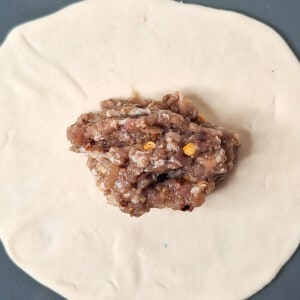
- Place a heaping tablespoon of filling in the center. Make sure to leave plenty of room from the edge of the circle.
- Begin making pleats by folding around the khinkali. Try to make at least 13 folds, but if you can make more, do more.
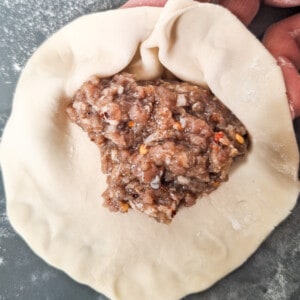
- Keep folding until you can close the khinkali by pinching the stem together.
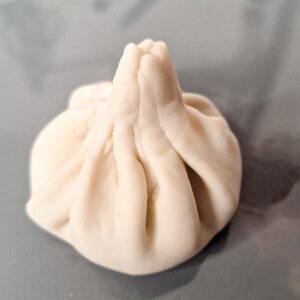
- Seal it by snipping off a bit of the top end with kitchen scissors. Set the dumpling on top of a floured plate.
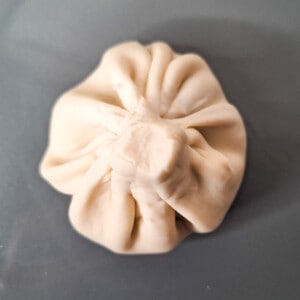
- Place the prepared khinkali on a floured plate. Repeat the steps with the additional pieces and the other half of the dough.
Cook the Khinkali
- Fill a large pot 75% full with water and add in a large pinch of salt. Set on the stovetop on high medium heat and bring it to a boil. Lower the heat to medium or to a gentle boil. Add a few of the dumplings and then gently stir the water.
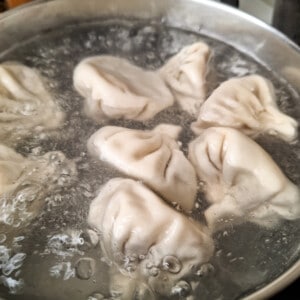
- Cook the dumplings for about 5 - 7 minutes. Then gently strain the dumplings a few at a time so they do not break from the sharp edges of the strainer.
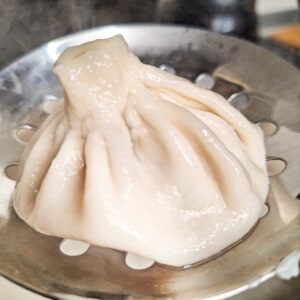
- Add to a plate and serve immediately.
Nutrition
Curious about Georgian Food?
Check These Out These Food Guides
Have You Tried This Recipe?
Simply rate the recipe by clicking on the ⭐️s on the recipe card. Have something to say? Please leave me a comment down below telling me what you think of this recipe.
Bonus: Let me and other readers know what you did to make this recipe your own - 💫 let's inspire each other!
Also, follow me on Instagram [@third.culture.taste] and send me a DM with a picture of what you made. I would love to share and celebrate YOUR creation with our budding community 💞
Check out Third Culture Taste on Pinterest and Facebook for more delicious updates.


Loved learning about the history of khinkali and the step by step instructions are very helpful! Can't wait to try this recipe out soon 🙂
Thanks Megan! Let me know how you like it!